Aesop Dupes With Essential Oils – Non Toxic Fragrance
Aesop’s hand wash smells the way expensive candles look in photos.
Just beyond delicious.
And I am here for it!
But it’s not just about soap; it’s a small daily ritual, and that’s a big part of why people keep buying it.
But $30-$40 for 500ml is a steep price.
In this article, I’ll create the perfect non-toxic fragrance combination and dupes for you to enjoy!
I have also created an original Aesop list for you to examine, just in case you need my reference and want to try the original products
Note: The article contains affiliate links that may earn a commission; otherwise, the price is unaffected.
All references are carefully selected to provide the best and most wholesome results.
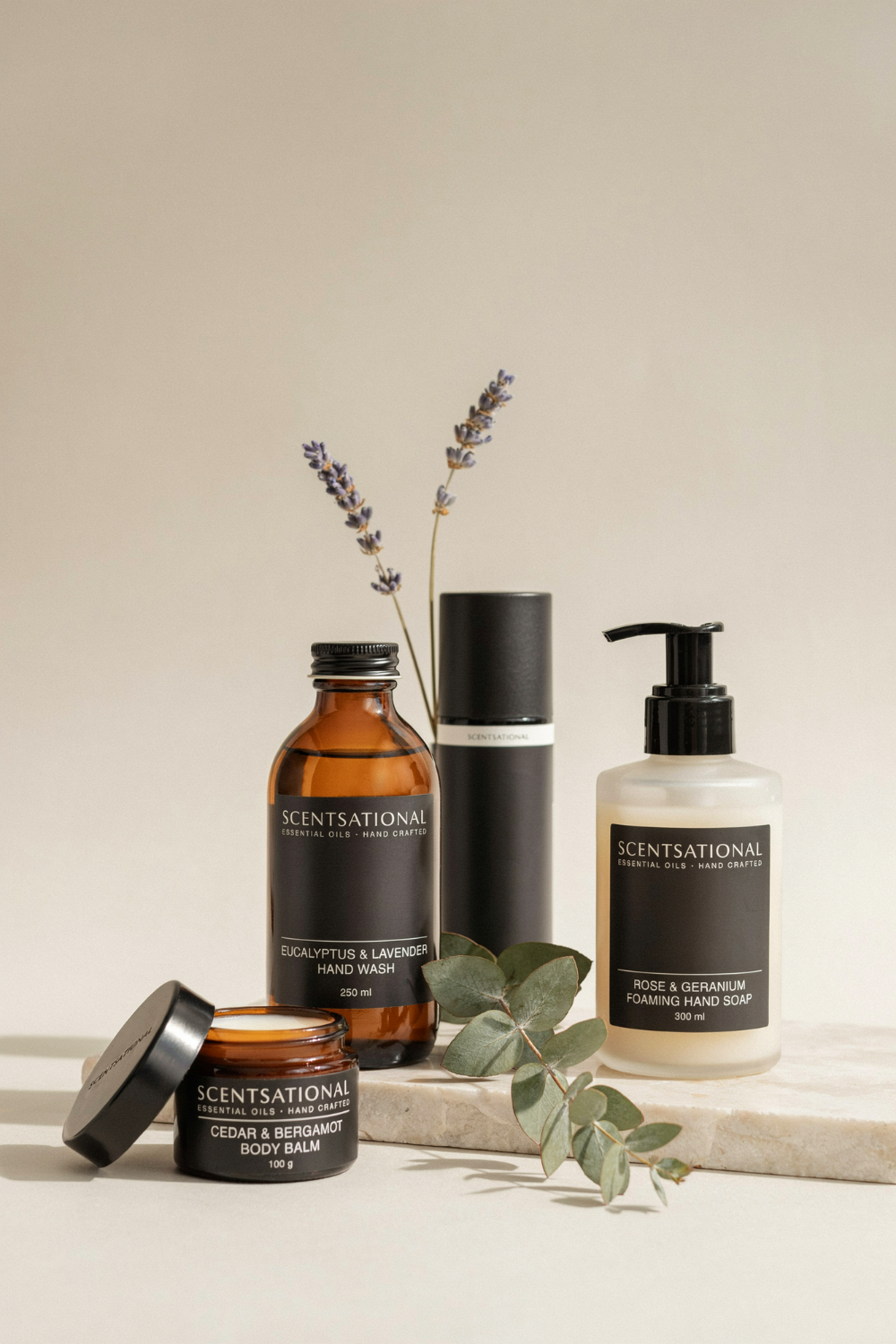
Aesop has a steep price due to its use of genuine essential oils rather than cheap synthetic fragrances.
Some of it is the sleek, recycled-plastic bottle.
And a good chunk of it is simply the Aesop name, the shelf design, the packaging you’d be happy to leave out on the sink.
None of that changes the actual formula, though; it’s public.
So if you love the scent but not the price tag, you can build your own version with the same essential oils Aesop uses.
This guide breaks down what’s actually in Aesop’s best-known scents, and gives you real recipes to build your own versions with essential oils.
No guesswork, no vague “add a few drops” instructions.
What’s Actually In Aesop Resurrection Aromatique
Aesop’s most famous hand wash, Resurrection Aromatique, lists its key scent ingredients as mandarin rind, rosemary leaf, and cedar atlas.
The full ingredient list also includes lavender oil and orange oil.
Aesop itself describes it as containing oils of orange, rosemary, and lavender to cleanse the hands and leave them feeling refreshed.
So the scent formula is simple:
- Mandarin (citrus, bright top note)
- Orange (citrus, sweeter and rounder than mandarin)
- Rosemary leaf (herbaceous, sharp)
- Cedar atlas (woody, the base that makes it linger)
- Lavender (floral, softens the herbal edge)
That’s five oils.
Nothing exotic, and not hard to find.
And this same formula shows up across Aesop’s other Resurrection Aromatique products, with the brand describing the family’s aroma as woody, herbaceous, and citrusy.
Aesop Essential Oils vs. Absolute Essential Oils
Before you start blending, it helps to know the difference between an essential oil and an absolute.
Essential oils are steam-distilled.
Heat and steam extract aromatic compounds from a plant.
That’s how you get rosemary, cedarwood, and citrus oils.
Absolutes are solvent-extracted.
A solvent pulls the scent out rather than steam, which works better for delicate flowers that would break down in heat.
Rose absolute and jasmine absolute are common examples.
Absolutes are thicker, stronger, and usually pricier than essential oils.
For an Aesop-style dupe, you mostly need essential oils.
But if you want to add depth to a blend, a small amount of an absolute like jasmine or rose can round things out.
Just use it sparingly.
Absolutes are potent, and a little goes a long way.
Safety Recommendations Before You Start
Essential oils are concentrated.
They are not automatically safe just because they’re natural.
A few rules to follow:
- Never apply undiluted essential oil to skin.
Always mix into a carrier, like a soap base, oil, or unscented lotion. - Keep total fragrance concentration low.
For rinse-off products like hand soap, 1-2% total essential oil is plenty.
That’s roughly 20-40 drops per 8 oz (240ml) of base. - Watch out for phototoxic oils.
Cold-pressed citrus oils, especially bergamot, can cause skin reactions when exposed to sunlight.
Mandarin and orange are lower risk, but still patch-test. - Patch test first.
Apply a small, diluted amount to your inner arm and wait 24 hours before using it on your hands or face. - Skip use during pregnancy or on young children unless you’ve checked with a doctor.
Rosemary, in particular, is an oil that’s often flagged as a cause for caution during pregnancy. - Don’t ingest essential oils.
They aren’t food-grade, regardless of what some sellers claim. - Store oils away from light and heat.
Citrus oils oxidize quickly and lose their scent (and become more irritating) as they degrade.
None of this is meant to scare you off.
It just means treating essential oils as the concentrated plant extracts they are, learning about them, and using them accordingly.
Aesop Handsoap Dupe: Resurrection Aromatique Recipe
This is the closest match to Aesop’s original.
You’ll need an unscented liquid Castile soap or a neutral foaming hand soap base, which you can find at most soap-making suppliers or health stores.
Base: 8 oz (240ml) unscented liquid soap base
Essential oils:
- 10 drops mandarin
- 6 drops sweet orange
- 5 drops rosemary leaf
- 4 drops cedar atlas (or Atlas cedarwood, same oil)
- 3 drops lavender
Method: Add the oils to the soap base in the order listed.
Swirl, don’t shake hard, since that creates too much foam.
Let it sit for 24 hours before using so the scent settles into the base.
Pour into a pump bottle.
This lands close to the citrus-herb-wood profile Aesop is known for.
The mandarin and orange give it a bright opening, rosemary adds a sharp herbal note, and atlas cedar carries the scent after the citrus fades.
A Woody, Green Dupe: Reverence Aromatique Style
Aesop’s Reverence Aromatique line uses a different profile, built on vetiver, petitgrain, and bergamot.
It’s earthier and greener than Resurrection Aromatique.
Base: 8 oz (240ml) unscented liquid soap base
Essential oils:
- 8 drops bergamot
- 6 drops petitgrain
- 3 drops vetiver
- 3 drops cedarwood
Method: Same process as above.
Vetiver is thick and resinous, so it may need a light warm-water bath in its bottle first to loosen it enough to drop out evenly.
This version smells less “soap aisle” and more like a walk through a citrus grove near a cedar forest.
Vetiver is the star here.
It’s earthy and a little smoky, and it’s what gives the blend its depth.
A Floral-Citrus Dupe: Geranium Leaf Style
Aesop’s Geranium Leaf line, used in body cleansers, is built on geranium, mandarin, and bergamot.
Base: 8 oz (240ml) unscented body wash base
Essential oils:
Method: Same mixing process.
This one skews more floral than the other two, thanks to geranium’s rosy, slightly minty scent.
It’s a good option if you want something a bit softer for a body wash rather than a hand soap.
Getting the Ratios Right
A few general rules that apply across all three recipes:
- Top notes (citrus) should always be your largest quantity.
They fade fastest, so you need more of them to notice the scent at all. - Middle notes (herbs, florals) come in at a medium amount.
They bridge the top and base. - Base notes (woods, vetiver) need the least, because they’re the strongest and longest-lasting.
A little cedarwood or vetiver goes further than you’d think.
If your blend smells too sharp or medicinal, cut back on rosemary or bergamot.
If it fades too fast, add a touch more cedarwood or vetiver.
Building a scent is mostly trial and error, and it’s fine to adjust drop by drop until it smells right to you.
If you’d rather browse curated Aesop picks and dupes before mixing anything yourself, I keep a running list here: Aesop finds.
Why Make a Dupe At All
Aesop’s formulas aren’t secret.
The ingredient lists are public, and the oils involved are common ones you can buy from any reputable essential oil supplier.
Making your own version costs a fraction of the retail price, and you get to adjust the strength and notes to your own taste, which you can’t do with the bottled version.
It won’t be a perfect one-to-one match.
Aesop’s products include surfactants and stabilizers that affect how the scent reads on skin, and their formulas are refined by professional perfumers.
But with the right oils and ratios, you can get close enough that most people won’t tell the difference.
- https://scental.org/essential-oils-bottles-your-complete-guide/
- https://scental.org/high-quality-essential-oils-how-to-choose-a-buyers-guide/
- https://scental.org/essential-oils-guide-the-first-easy-step-to-begin-blending/
- https://benable.com/anyaraben/aesop-0nline