Essential Oils Guide: The First Easy Step to Begin Blending
I first started with essential oils by attending a masterclass.
I already had some knowledge, but after that class, I realized I needed to educate myself much more.
And so I did.
Becoming an aromatherapist.
In this article, I created the essential oils guide:
The First Easy Steps to Begin Blending.
Helping you get started without signing up for a course or masterclass.
Creating an easy go-to approach.
These are the first easy steps to begin blending at home and using essential oils.
Whether you’re creating bespoke perfumes or crafting home-friendly solutions, I’ll help you choose the right tools, oils, and brands for your needs.
Note: This post is not sponsored by any of the brands mentioned. Some links are Amazon affiliate links, which means I may earn a small commission from qualifying purchases at no additional cost to you.
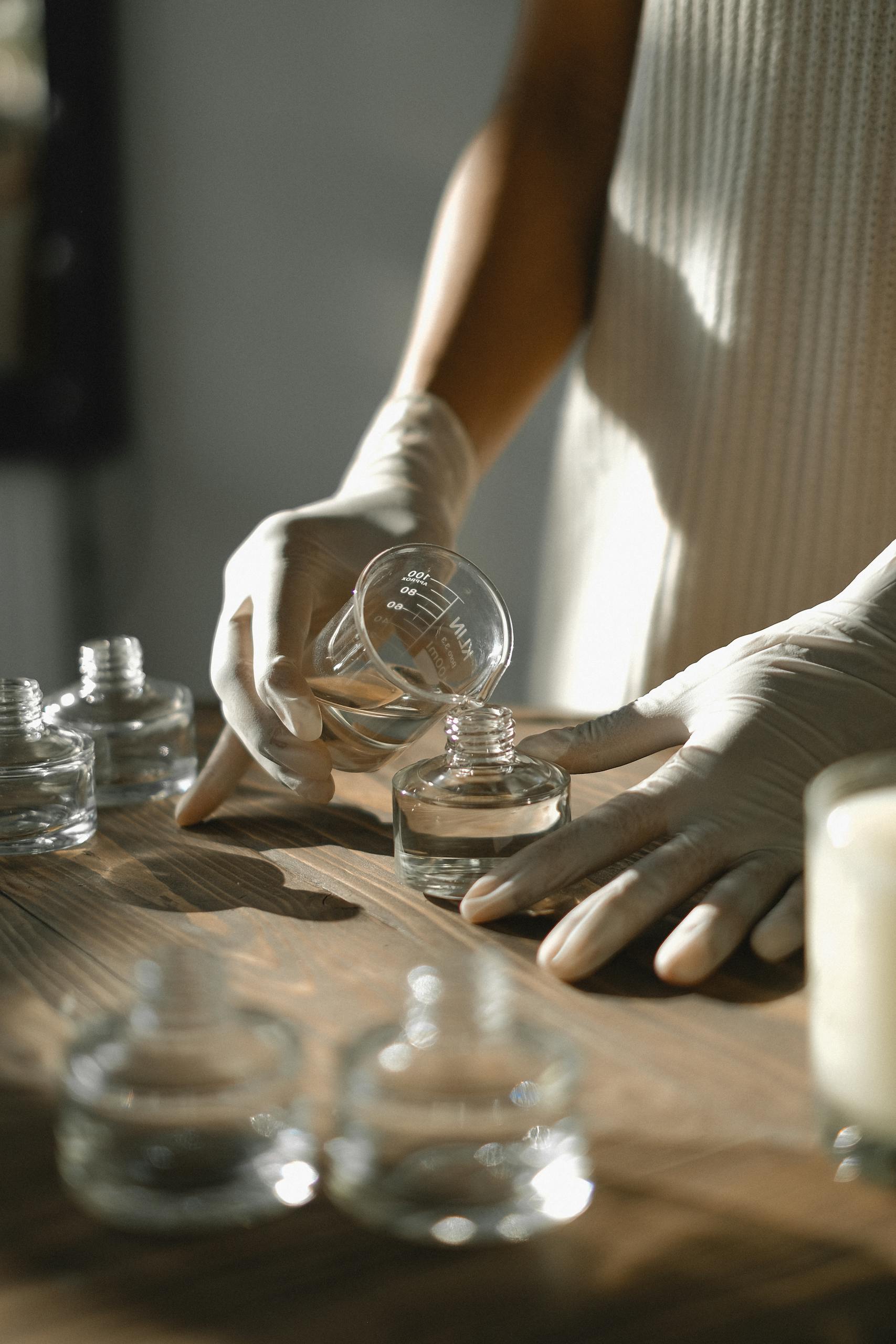
Your Beginner Essential Oil Shopping List
You don’t need dozens of essential oils or expensive equipment to start blending.
A few carefully chosen essentials are all you need.
Here’s what I recommend for your first blends:
- Lavender essential oil – A versatile floral oil and a great place to start learning about scent combinations.
- Lemon essential oil – Fresh, bright, and uplifting in diffuser blends.
- Peppermint essential oil – Adds a crisp, refreshing note to your blends.
- Essential oil diffuser – Ideal for experimenting with your first home fragrance blends.
If you’d rather begin with a collection, you can also explore this essential oil starter kit.
Check the included oils and accessories before purchasing.
If you’re interested in creating natural perfumes or body oils, you’ll also need a carrier oil, such as jojoba, and suitable glass bottles.
Beginner tip: Start with diffuser blends before exploring topical applications. Essential oils require proper dilution and safety precautions, and not every oil is suitable for everyone or every use.
Step 1: Gather Your Essential Tools
Getting started with essential oils doesn’t require a significant investment, but a few basics will make blending easier and more enjoyable.
- Essential oils are highly concentrated, so you’ll need carrier oils, such as jojoba and sweet almond, to dilute them.
This step is crucial for safety.
These oils also help stretch your blends and are gentle on the skin.
2. Glass Bottles and Dropper Tools
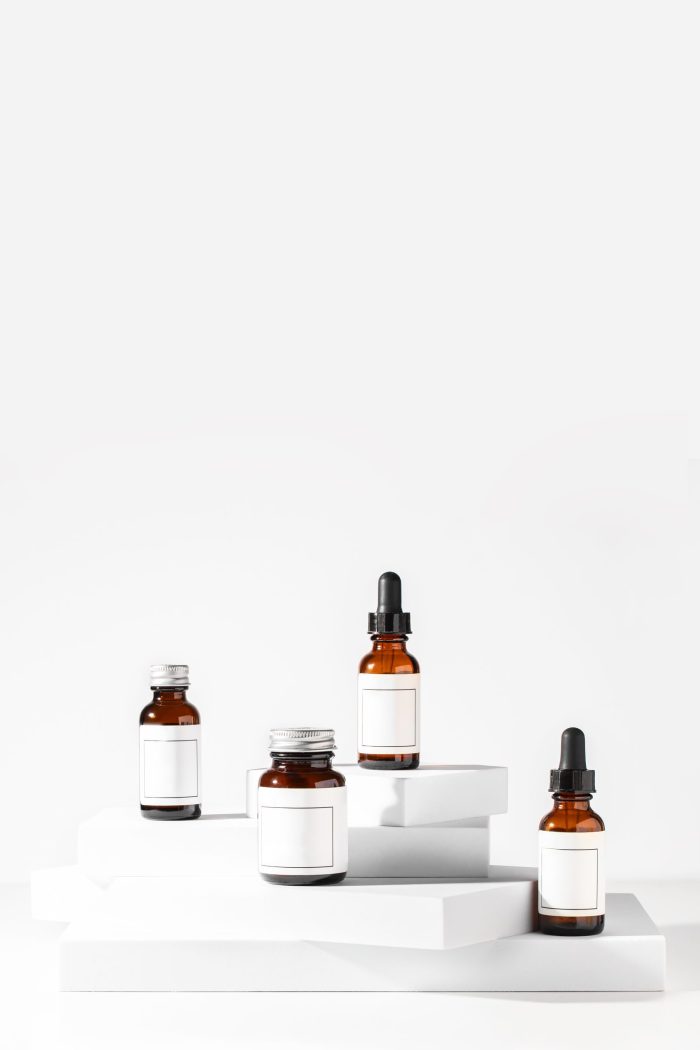
- Invest in amber or cobalt blue glass bottles to store your blends.
- These protect oils from light damage.
Pipettes or glass droppers help you measure precisely.
- Track your experiments, note which blends work well, and jot down your favorite combinations.
I use this one for recipes, which is a perfect solution.
4. Diffuser
- If you’re making blends for the home, you’ll need a diffuser.
It’s a profound experience.
It can create subtle, groundbreaking change—see more.
Inspirations to Diffuse.
Step 2: Choosing the Right Essential Oils
Essential Oil Brands and Their Strengths
When choosing essential oils, quality matters most.
I’ve found that different brands excel in different areas, depending on whether you’re blending for personal use or home projects.
Top Three Brands:
- Exquisite oils for high-end beauty products.
- Their carefully sourced botanicals make them ideal for luxurious skincare formulations and aromatherapy.
- I am very impressed by the high quality and the fact that they often offer multiple sizing options, making it affordable to purchase very high-quality products.
- If you want to create bespoke personal blends, Cliganic is an excellent choice.
- Their oils are organic and pure and come in smaller bottles, making them ideal for perfume-making or skincare.
- They offer a wide range of additional oils, including large bottles of organic jojoba oil and argan oil.
- Start with Cliganic essential oils to ensure quality.
- This brand is fantastic for home use.
- Their high-quality, affordable oils come in larger quantities, making them perfect for:
- DIY cleaners, room sprays, or calming diffusions.
(I am not affiliated with any of the mentioned brands)
Best Brands By Usage For Cleaning Products
Cleaning:
- Plant Therapy:
- Their larger bottles and consistent quality make them perfect for DIY household cleaners.
- Reasonable pricing
- NOW Foods:
- Budget-friendly and great for making large batches of cleaning products that require substantial quantities.
- I personally don’t use them much, as I feel I get full value from the brands mentioned.
- That said, if you want to make candles or other DIY home projects, this brand could be useful.
- Aura Cacia:
- Suitable for cleaning applications with antimicrobial properties, such as tea tree and lemon.
Diffusers:
- Eden’s Garden:
Their affordable pricing makes them ideal for use with diffusers, where oils are used quickly. - Plant Therapy:
Excellent for diffusing, with good strength and purity at a reasonable price point. - Mountain Rose Herbs:
Their organic oils diffuse cleanly, without synthetic additives or contaminants. - They don’t ship worldwide, and it is not easy to contact them outside the United States.
DIY Beauty Products:
Gya Labs:
Exceptional for high-end skincare formulations, thanks to their premium quality.
Cliganic:
Ideal for personal care products, thanks to their organic certification and skin-safe purity.
Pompeii Organic:
Their certified organic status makes them ideal for facial serums and formulations for sensitive skin.
Florihana:
Superior quality for artisanal perfumery and luxury skincare products.
Step 3: Start Small and Experiment
Here’s my advice: don’t overcomplicate things at the beginning.
Pick three oils you love or feel drawn to and experiment with simple combinations.
A great beginner blend for the home could be:
- 3 drops of lavender
- 3 drops of lemon
- 2 drops of peppermint
Get a high-value starter kit.
You will find more about ratios and safety here.
Mix floral, citrus, and woody oils for a balanced and unique scent.
Getting started with essential oils can be that simple.
Need more blends and hacks? For beauty products, go here.
Step 4: Trust Your Senses
I learned early on that essential oil blending is part science, part art.
Your nose will guide you to what feels right.
If a blend smells off, adjust the ratio until it reaches the desired balance.
And remember, what works for someone else might not suit you—and that’s okay!
Why Start Now?
Essential oils offer a beautiful way to naturally enhance your home and personal care routines.
Start with the right tools and oils to set yourself up for success and create blends that feel uniquely yours.
Grab a few bottles, a notebook, and your diffuser, and start creating!
With the right essential oils in your toolkit, you’re already on the path to crafting something amazing.
Getting started with essential oils has never been easier.
What’s your first essential oil blend going to be?
Let me know in the comments.
I’d love to hear about your journey!
- https://scental.org/the-science-backed-benefits-that-transform-your-mood-and-mind-with-essential-oils/
- https://scental.org/blending-essential-oils-methods-ratios-safety/
- https://scental.org/how-to-choose-high-quality-essential-oils-a-buyers-guide/

3 Comments
Comments are closed.