Aromatherapy History and Its Healing Evolution: A Journey from Creation to Modern Discovery
Garden of Eden (Gan Eden) to the sophisticated distillations of today, essential oils have played a vital role in human history, spirituality, and medicine.
Note: The article contains affiliate links that may earn a commission; otherwise, the price is unaffected. All references are carefully selected to provide the best and most wholesome results.
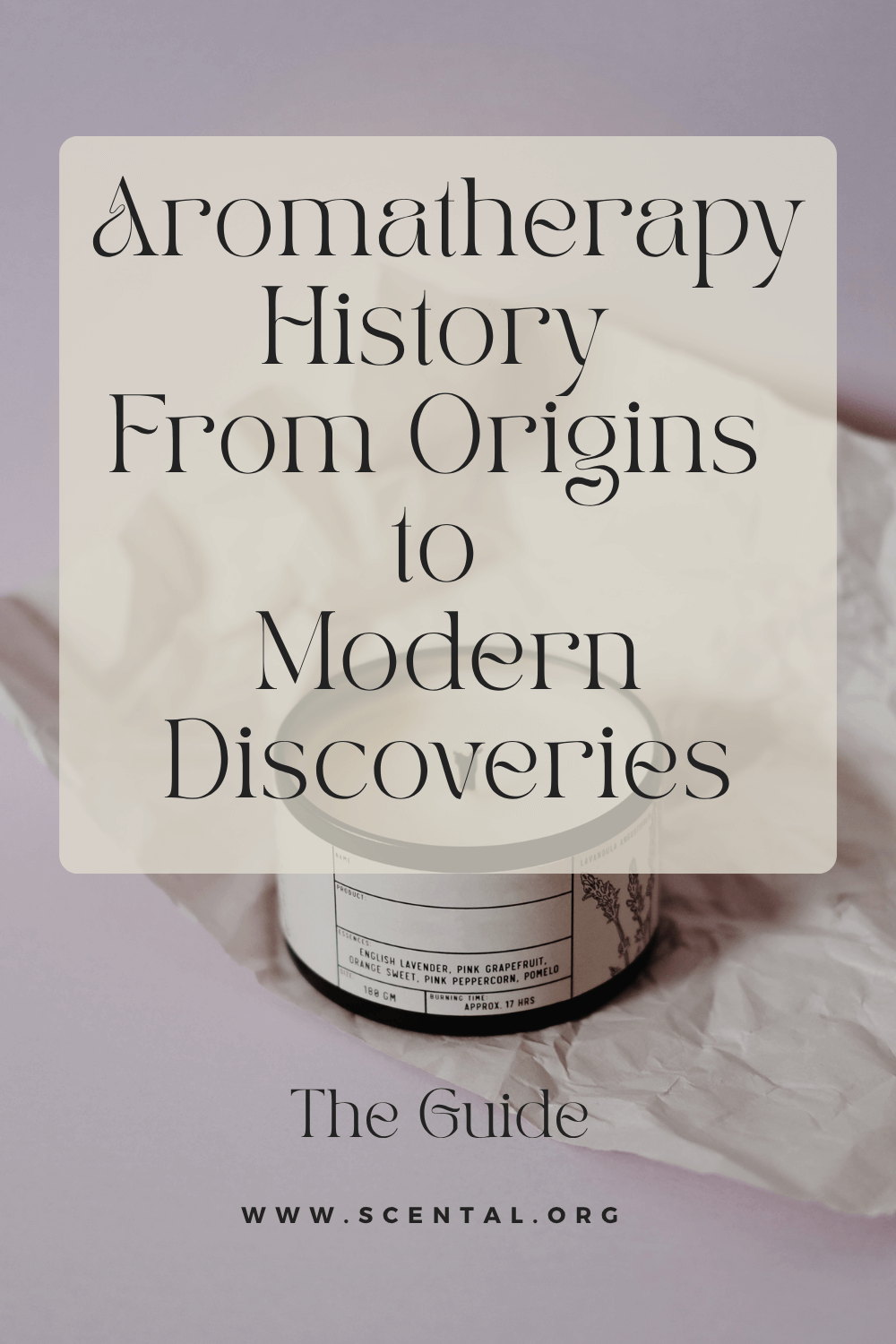
This journey through time explores the origins of aromatic plants, their spiritual significance, and the historical milestones that shaped our understanding of their healing properties.
Along the way, I’ll highlight the culture, uses, and therapeutic properties of essential oils, such as myrrh, cinnamon, and frankincense.
The term “aromatherapy” might sound modern, but its roots trace back to ancient times.
In the 1930s, French chemist René-Maurice Gattefosse coined the term, marking a turning point in how we understand essential oils and their therapeutic benefits.
His pioneering work led to the creation of pure essential oil vials, concentrating the powerful compounds that plants offer.
But people praised essential oils for their healing properties long before Gattefosse.
Most civilizations recognized the medicinal and ritualistic value of fragrance and herbs, extracting oils to capture their essence.
Oils like myrrh, cinnamon, frankincense, and cassia were especially prized.
They were extensively traded then, and they remain popular choices in modern aromatherapy now.
Aromatherapy Through the Ages: A Timeline of Discovery
1. The Fragrance of Creation – Gan Eden (The Garden of Eden)
Jewish tradition holds that the Garden of Eden was filled with divine fragrances that exceed human understanding.
The Midrash (Jewish commentary) teaches that Adam and Eve experienced an elevated sense of smell, symbolizing spiritual purity and the intimate connection between scent and the soul.
You’ll find an in-depth article here, covering the mystical principles and deep spiritual aromatherapy blends, such as The Breath of Divine Connection.
As one of the earliest mentions of scent’s role in human experience, this belongs at the very start of aromatherapy’s history.
Some mystical texts suggest that the aromatic plants of Eden were imbued with healing properties meant to sustain both body and spirit.
2. Biblical and Ancient Jewish Use of Essential Oils (2000 BCE – 500 BCE)
- The Book of Exodus (30:22–25) provides the divine formula for anointing oil, which combines myrrh, cinnamon, cassia, and olive oil to consecrate priests and kings.
- Ketoret (Temple Incense). The Holy Temple in Jerusalem burned sacred incense composed of 11 fragrant spices believed to purify the soul and elevate prayers to heaven.
- Song of Songs (Shir HaShirim). King Solomon describes the sensual and spiritual power of myrrh, spikenard, and frankincense, emphasizing the deep connection between love, divinity, and scent.
3. The Influence of Egyptian and Mesopotamian Civilizations (3000 BCE – 1000 BCE)
- Egyptians and Perfumed Embalming:
The ancient Egyptians used essential oils in mummification, treating scent as a bridge between life and the afterlife.
They favored oils such as cedarwood, myrrh, and frankincense, and their embalming practices left a lasting mark on the history of aromatherapy. - Babylonians and Temple Rituals:
The Babylonians burned aromatic resins in their temples, believing the smoke carried prayers to the heavens.
4. Greek and Roman Contributions to Aromatherapy (500 BCE – 400 CE)
- Hippocrates, the Father of Medicine:
The Greek physician promoted the healing properties of fragrant herbs and aromatic baths. - The Romans and Perfume Culture:
The Romans refined oil extraction techniques and used essential oils in bathing, massage, and medicine, cementing their place in aromatherapy’s history.
5. The Golden Age of Islamic Medicine (700 CE – 1200 CE)
- Avicenna (Ibn Sina):
The Persian physician pioneered steam distillation, revolutionizing how essential oils were produced and advancing their medicinal use. - Trade and Expansion:
Arabian traders brought rare spices and oils to Europe, shaping medieval medicine and religious anointing practices.
6. The Renaissance Revival and Alchemical Discoveries (1400 CE – 1700 CE)
- Paracelsus and Plant Chemistry:
The Swiss physician emphasized the therapeutic value of essential oils, linking their potency to the plant’s soul. - European Distillation Advances:
Perfume and medicinal oil production flourished, especially in France and Italy.
7. The Birth of Modern Aromatherapy (20th Century)
- René-Maurice Gattefossé (1937):
The French chemist coined the term “aromatherapy” after discovering lavender oil’s healing properties for burns, a finding that transformed the field. - Dr. Jean Valnet:
A French army surgeon who used essential oils for wound healing during World War II. - Marguerite Maury:
Introduced the concept of individual essential oil prescriptions based on personality and body chemistry.
8. Aromatherapy in the 21st Century
Modern research now confirms the antimicrobial, anti-inflammatory, and psychological benefits of essential oils, underscoring their continued relevance.
Aromatherapy has become an established part of alternative medicine, Kabbalistic healing, and energy work.
If you want to go deeper into the world of fragrance, my book, Scent of a Soul, takes you there.
It’s more than a book about essential oils; it’s a sacred guide that restores the ancient understanding of plants as living carriers of spiritual intelligence, each botanical a conduit of Divine energy, vibrating with purpose and wisdom that speaks directly to the soul.
Drawing on Kabbalistic teachings, Temple traditions, and the timeless language of aroma.
This book walks you along a structured, intuitive path toward your higher self, where clarity, emotional equilibrium, and spiritual awareness become a natural way of being rather than distant goals.
Through the Scent of a Soul Method, you’ll learn to select oils that resonate with your soul’s unique blueprint, attune to your inner receptivity, and cultivate the soft, nourished, deeply feminine life that ancient aromatic traditions have always known was possible.
From a complete lexicon of botanicals with their mystical and energetic profiles to practical guidance on discerning purity and avoiding synthetic essences that disrupt your natural frequency, this is the soul-rooted companion you’ve been waiting for.
Because the right scent doesn’t just smell beautiful.
It remembers something in you.
The Eternal Fragrance: A Legacy of Healing
From the divine fragrances of Gan Eden to the advanced distillations of today, essential oils remain a bridge between the physical and spiritual realms.
Whether used in ancient temples or modern wellness practices, the power of scent continues to inspire healing, transformation, and connection to the Divine, a lasting tradition captured across this rich history.
- The Empowering Potential of Scent: Unveiling the Emotional Intelligence of Aromatherapy
- Feminine Essential Oils for Emotional Grounding and Inner Connection
- https://scental.org/the-mystical-garden-a-look-at-gan-eden-and-soul-scents/