Your Spring Cleaning Checklist for a Fresh, Toxin-Free Home
Spring is here, and your home needs a reset, and you don’t need harsh chemicals to get things clean.
This spring cleaning checklist breaks down what to do, room by room.
I’ll show you how to use non-toxic cleaners and essential oils that work just as well as store-bought products.
Additionally, they create a safe space for personal growth and development.
Note: The article contains affiliate links that may earn a commission; otherwise, the price is unaffected.
All references are carefully selected to provide the best and most wholesome results
Why Spring Cleaning Matters
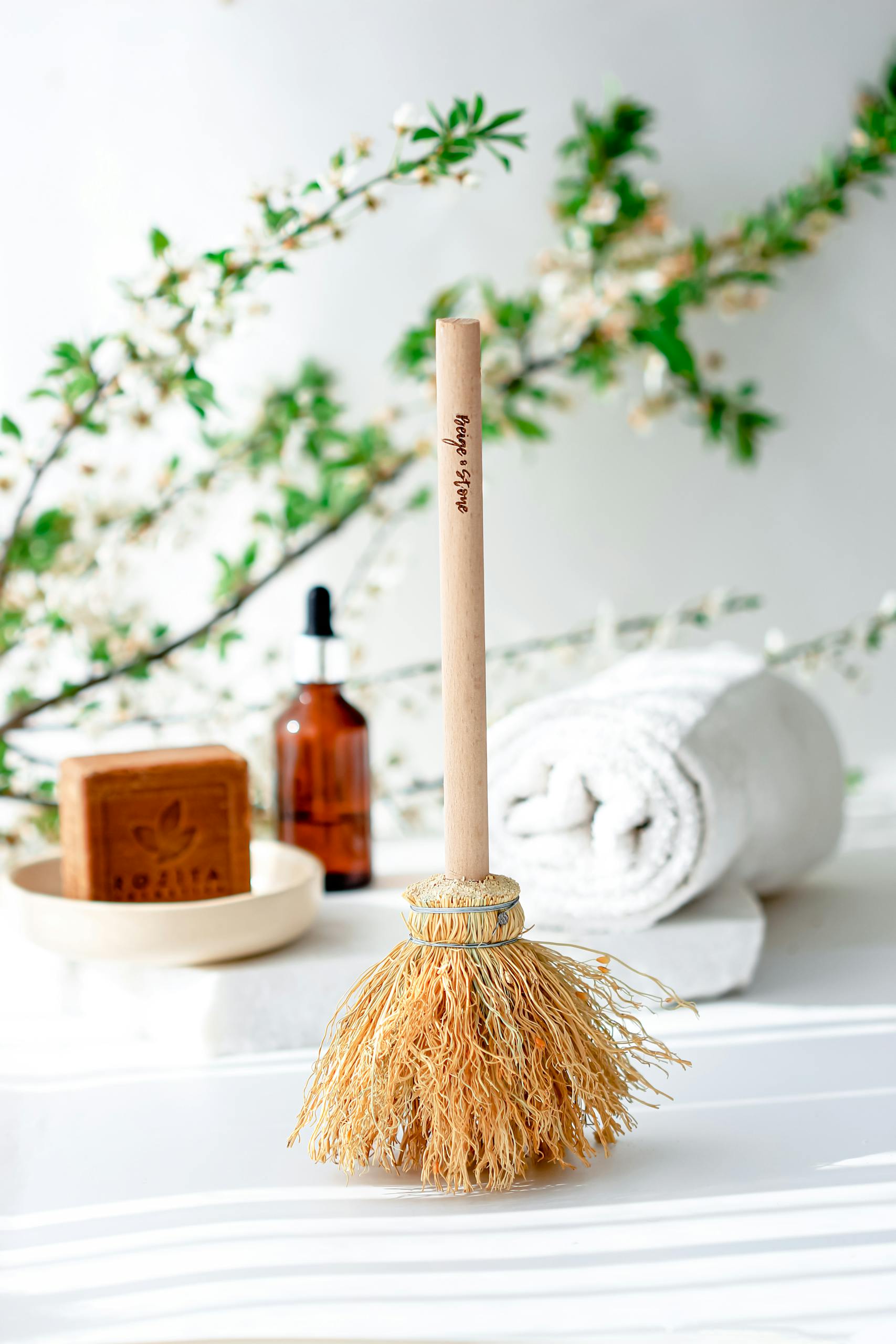
Winter leaves behind dust, grime, and stale air.
Spring cleaning provides an opportunity to open windows, clear out clutter, and thoroughly clean areas that’ve been neglected.
And you can do it all without exposing your family to harsh chemicals.
Non-Toxic Cleaning: What You Need to Know
Most commercial cleaners contain ingredients you can’t pronounce.
Some irritate your skin and lungs.
Others harm the environment.
Non-toxic cleaning uses simple ingredients:
Essential Oils for Spring Cleaning
Essential oils do more than smell nice.
They have natural antibacterial and antiviral properties.
Lemon oil cuts through grease and leaves surfaces shiny.
It’s naturally acidic, which breaks down grime without the need for harsh chemicals.
Tea tree oil is effective in killing mold and mildew.
Studies have shown that it possesses strong antimicrobial properties, which work against bacteria and fungi.
Lavender oil disinfects and calms.
It offers both cleaning power and aromatherapy benefits, which help reduce stress.
Peppermint oil repels bugs and freshens musty spaces.
Menthol naturally repels insects while keeping your home smelling fresh and clean.
Eucalyptus oil tackles tough soap scum and grime.
It’s a powerful degreaser with natural antibacterial qualities.
Mix 10-15 drops of essential oil with your cleaning solution.
That’s all it takes.
Your Room-by-Room Spring Cleaning Checklist
Kitchen
Start here, as it receives the most use.
- Wipe down cabinet fronts with vinegar and water
- Clean inside the microwave with lemon and steam
- Scrub the sink with baking soda and tea tree oil
- Degrease the stovetop and oven
- Empty and clean the refrigerator
- Wash trash cans inside and out
- Mop floors with castile soap and peppermint oil
Why essential oils work in kitchens:
Lemon oil naturally cuts through cooking grease, leaving a fresh scent that doesn’t interfere with food preparation.
Tea tree oil helps disinfect sinks and drains where bacteria often grow.
Peppermint oil repels ants and other pests while leaving the room with a clean, fresh scent, rather than a chemical odor.
All-Purpose Kitchen Cleaner Recipe:
Mix 2 cups of water, 2 tablespoons of white vinegar, 10 drops of lemon essential oil, and 5 drops of tea tree oil in a spray bottle.
Shake before each use.
Bathroom
This room needs extra attention.
- Scrub toilets with baking soda and vinegar
- Remove soap scum from shower doors
- Clean grout with hydrogen peroxide
- Wash shower curtains and liners
- Disinfect counters and faucets
- Clean mirrors with a vinegar solution
- Mop floors thoroughly
Why essential oils work in bathrooms:
Tea tree oil helps combat mold and mildew that thrive in damp environments.
Its antifungal properties target the root cause, rather than just masking odors.
Eucalyptus oil breaks down soap scum while creating a spa-like atmosphere.
These oils also help prevent mold from coming back.
Mold-Fighting Bathroom Spray:
Combine 1 cup of water, 1 cup of white vinegar, and 20 drops of tea tree oil.
Spray on moldy areas, let sit for an hour, then scrub.
Bedrooms
These spaces should feel peaceful and fresh.
- Wash all bedding, including mattress covers
- Vacuum mattresses and flip them
- Dust ceiling fans and light fixtures
- Wipe down baseboards
- Clean under the bed
- Organize closets and donate old clothes
- Vacuum or mop floors
Why essential oils work in bedrooms:
Lavender oil promotes relaxation and better sleep.
Research shows its scent can lower stress hormones and calm your nervous system.
Eucalyptus oil freshens fabrics and clears the air without synthetic fragrances that can disrupt sleep.
Using these oils in your bedroom creates a calming environment that promotes restful sleep.
Linen Spray Recipe:
Mix 2 ounces of witch hazel with 15 drops of lavender oil and 10 drops of eucalyptus oil.
Spray on pillows and sheets for fresh-smelling bedding.
Living Areas
High-traffic zones need deep cleaning.
- Dust all surfaces, working top to bottom
- Vacuum upholstery and under cushions
- Clean windows inside and out
- Wipe down light switches and doorknobs
- Vacuum or clean curtains
- Polish wood furniture naturally
- Deep clean carpets and rugs
Why essential oils work in living areas:
Lemon oil cleans and polishes wood while leaving a bright, uplifting scent that energizes your space.
Lavender oil neutralizes pet odors and everyday smells in carpets and furniture.
These natural scents make your living room feel welcoming, without the use of artificial air fresheners that can trigger headaches or allergies.
Wood Polish Recipe:
Combine 1/4 cup olive oil, 1/4 cup white vinegar, and 10 drops lemon oil.
Apply with a soft cloth and buff.
Spring Cleaning Checklist Tips That Work
Start small. Pick one room per day.
You don’t need to finish everything in a weekend.
Declutter first. You can’t clean around piles of stuff.
Remove what you don’t need before you begin scrubbing.
Open windows.
Fresh air helps dry surfaces and removes the odors of cleaning products.
Use microfiber cloths.
They trap dirt better than paper towels, and you can wash and reuse them.
Make cleaning solutions ahead of time.
Prep your non-toxic cleaners in labeled bottles so they’re ready when you need them.
Don’t forget hidden spots.
Behind appliances, inside vents, under furniture.
These collect the most dust.
Work top to bottom.
Dust falls down.
Clean ceiling fans before you vacuum floors.
More Non-Toxic Cleaning Recipes
Glass Cleaner: Mix 1 cup of water, 1 cup of white vinegar, and 1 tablespoon of cornstarch.
Wipe with a newspaper for streak-free windows.
Carpet Deodorizer: Combine 1 cup of baking soda with 20 drops of your favorite essential oil.
Sprinkle on carpets, wait 15 minutes, then vacuum.
Drain Cleaner: Pour 1/2 cup of baking soda down the drain. Follow with 1 cup of vinegar.
Let it fizz for 30 minutes, then flush with hot water.
Furniture Freshener: Mix 2 cups of water with 10 drops of lavender oil and 10 drops of lemon oil in a spray bottle.
Mist fabric furniture lightly.
Making Your Spring Cleaning Checklist Work
Print the checklist at the end of this post. (here)
Please put it on your fridge or somewhere you’ll see it every day.
Check off tasks as you complete them.
It feels good to see progress.
Get your family involved.
Even kids can dust baseboards or organize toys.
And remember: your home doesn’t need to be perfect.
It just needs to be clean enough to feel comfortable.
The Bottom Line
Spring cleaning doesn’t require toxic chemicals or expensive products.
With basic ingredients and essential oils, you can get your whole house fresh and clean.
Use this checklist to stay organized.
Take it room by room.
And enjoy a home that smells good and feels healthy.
The PDF includes all the cleaning recipes, room-by-room checklists with checkboxes, and pro tips to make your spring cleaning easier.
Click the download button, and you’re ready to begin.
How a Clean, Non-Toxic Home Affects Your Well-Being
A clean home does more than look good. It changes how you feel.
When you walk into a room that has been thoroughly cleaned with natural products, you breathe more easily.
The air smells fresh, not chemical.
Your lungs don’t have to work through synthetic fragrances or harsh fumes.
You feel calmer.
Clutter and dirt create low-level stress that you might not even notice until it’s gone.
A clean space gives your mind room to relax.
You sleep better.
When your bedroom smells like lavender instead of bleach, your body knows it’s safe to rest.
Natural scents don’t interrupt your sleep cycle the way artificial ones can.
Your family is safer.
Kids play on floors you’ve cleaned with vinegar, not warning labels.
Pets walk on surfaces that won’t irritate their paws.
You cook in a kitchen free from toxic residue.
And you feel proud.
You did this yourself with simple ingredients.
You protected your family without spending a fortune.
That’s worth something.
A non-toxic home isn’t just cleaner; it’s healthier.
It’s a place where you can truly relax.
Scientific Support for Natural Cleaning Methods
The cleaning methods and essential oils in this guide are backed by research:
- Multiple studies have confirmed the antimicrobial properties of tea tree oil, which are effective against bacteria, fungi, and mold. The Australian Dental Journal published research on the antimicrobial activity of this substance.
- Vinegar as a cleaner: Research published in the mBio journal shows that acetic acid (vinegar’s main component) effectively kills bacteria, including some antibiotic-resistant strains.
- Lavender oil and stress reduction: The Journal of Alternative and Complementary Medicine published studies showing lavender aromatherapy reduces cortisol levels and promotes relaxation.
- Lemon oil’s antibacterial properties: Studies in the International Journal of Food Microbiology demonstrate the effectiveness of lemon essential oil against foodborne pathogens.
- Eucalyptus oil’s antimicrobial effects: Research in Clinical Microbiology Reviews confirms the antibacterial and antiviral properties of eucalyptus oil.
For more detailed information on natural cleaning effectiveness and essential oil research, consult:
- PubMed Central (National Institutes of Health database)
- The Environmental Working Group’s Guide to Healthy Cleaning
- Journal of Environmental Health research on household cleaners
- CDC guidelines on household disinfection
- https://scental.org/essential-oils-for-spiritual-cleansing-and-awakening/
- https://scental.org/the-best-places-to-use-essential-oils/
- https://scental.org/discover-the-emotional-comfort-of-lavender-essential-oil/


2 Comments