Essential Oils for the Perfume-Sensitive Soul
Are you allergic to perfume but still love scents?
Consider using essential oils to enjoy scents without reactions, especially if you have a perfume allergy.
You’re not alone if traditional perfumes make you sneeze (I suffer greatly from a perfume allergy.
This has been a huge problem for me over the years, giving you headaches or irritating your skin.
Synthetic fragrances contain chemicals that can trigger allergic reactions, but that doesn’t mean you must live a scent-free life.
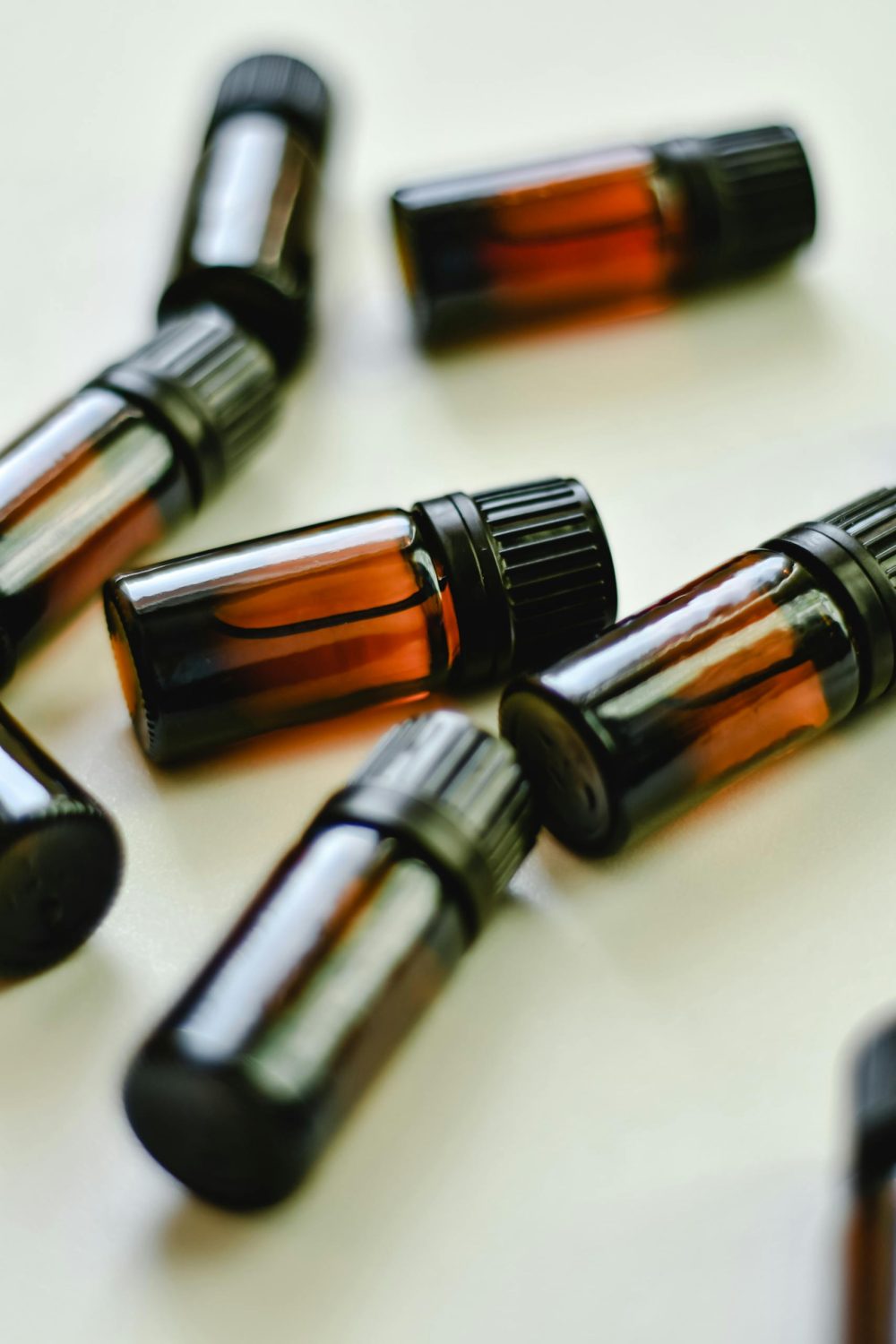
Essential oils offer a natural alternative that can be therapeutic and enjoyable when used correctly.
Why Are Some People Allergic to Perfume?
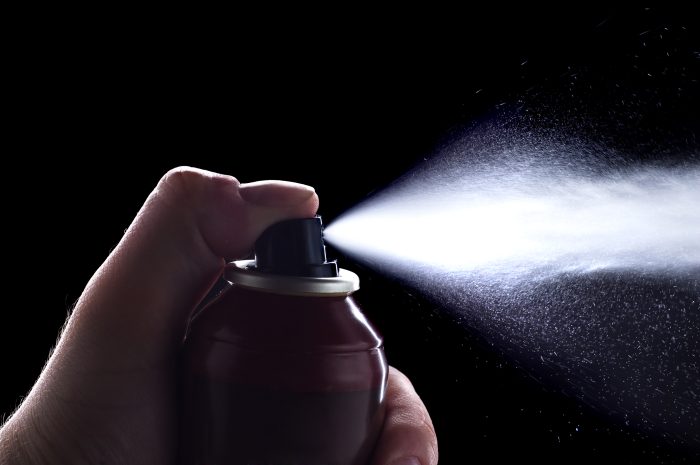
Perfumes often contain synthetic fragrance compounds, preservatives, and fixatives that can trigger allergies, migraines, or even respiratory issues.
Unlike these chemical-laden scents, high-quality essential oils are pure plant extracts, free from artificial additives and synthetic fragrances.
However, some essential oils can still cause sensitivities, so testing before committing is crucial.
Perfume Allergy Symptoms
- Mild to severe headaches
- Skin irritation (itching and perfume allergy rash)
- Allergic rhinitis
- Breathing difficulties
- Watery and itchy eyes
- Nausea
Most symptoms of a perfume allergy are mild.
If you experience sneezing or other mild irritations after coming in contact with perfume or fragrance, you may just have a fragrance sensitivity.
A true perfume allergy will involve more serious complications, such as asthma.
Breathing difficulties can become severe in patients with a perfume allergy.
So, a proper diagnosis by a board-certified allergist is necessary to treat symptoms of this condition.
Essential Oils That Work for Perfume Sensitivities
If you have fragrance sensitivities, start slow.
Your body will tell you what works and what doesn’t.
Always smell your oils first without actually touching them or getting them near your skin.
Your body’s reaction to the smell will let you know if it works for you.
If you are repelled or feel nauseous, then don’t use it. It’s a clear sign that your body has a hypersensitivity to the scent.
It has to be taken seriously.
One of the safest ways to explore essential oils is by first using a diffuser.
Before applying anything to your skin, do a simple smell test—your body will instantly repel scents it can’t handle.
Here are some essential oils known to be gentle for those with perfume allergies:
1. Lavender (Lavandula angustifolia)
A universally loved oil, lavender is calming and soothing, and one of the least reactive essential oils.
It’s perfect for those who still want a soft floral scent without the synthetic triggers.
2. Chamomile (Roman & German)
Both Roman and German chamomile have anti-inflammatory properties that can help calm skin irritations and respiratory discomfort caused by synthetic perfumes.
3. Sandalwood (Santalum album)
Rich, grounding, and subtly sweet, sandalwood is a fantastic alternative to synthetic musks.
It’s gentle on the senses and blends beautifully with other oils.
4. Frankincense (Boswellia carterii)
Frankincense is a deeply spiritual and calming oil known for its ability to soothe respiratory issues and reduce inflammation—perfect for perfume-sensitive individuals.
5. Cedarwood (Cedrus atlantica)
A warm, woody scent that’s grounding and rarely triggers allergic reactions.
Cedarwood is an excellent choice for those who want depth without synthetic headaches.
6. Bergamot (Citrus bergamia – FCF version)
Bergamot is a beautiful option if you love citrus but find some too sharp.
Just make sure to choose the FCF (furanocoumarin-free) version to avoid phototoxic reactions on the skin.
7. Rose Otto (Rosa damascena)
Unlike synthetic rose perfumes, pure rose otto essential oil is gentle, soothing, and luxurious, perfect for those who want a floral touch without irritation.
How to Test Essential Oils for Sensitivities
- Smell Test: Open the bottle and take a gentle sniff. If you feel repelled, that oil may not be for you.
- Diffuser Test: Add a drop to a diffuser and see how your body responds after 10-15 minutes.
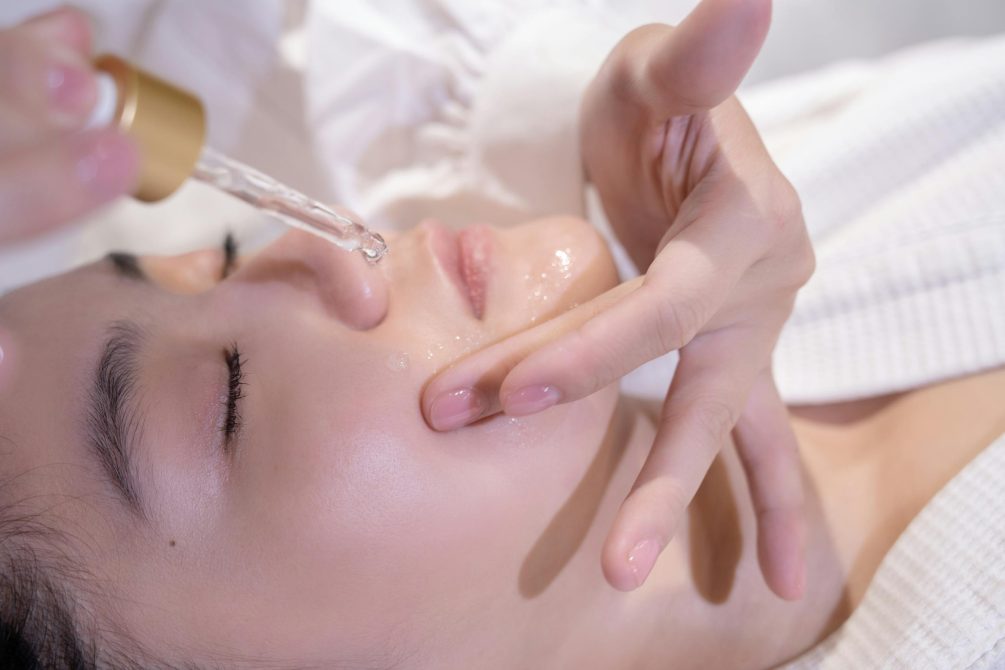
- Patch Test: If you decide to apply an oil to your skin, always dilute it in a carrier oil and do a patch test on your inner wrist before widespread use.
The Right Way to Inhale and Diffuse Essential Oils
It’s advisable not to engage in prolonged, direct inhalation of essential oils, such as with steam inhalation, for more than 15 to 20 minutes at a time.
However, this guideline does not apply to passive inhalation, where essential oils are diffused into the surrounding air.
When using a diffuser, it’s more effective and safer to diffuse intermittently rather than continuously.
A good approach is to diffuse essential oils for 30 to 60 minutes, then take a break for another 30 to 60 minutes.
This prevents olfactory fatigue and allows your body and nervous system to remain receptive to the benefits.
Additionally, maintaining good air circulation by introducing fresh air into the space is always recommended when diffusing essential oils.
- Diffusing: The easiest way to enjoy essential oils without direct skin contact.
- DIY Natural Perfume: Blend gentle essential oils with a carrier oil, such as jojoba oil.
- Aromatherapy Jewelry: Use lava bead bracelets or diffuser necklaces.
- Room Sprays: Mix essential oils with distilled water and a bit of witch hazel.
- Baths: Add a drop to your Epsom salts before dissolving in your bathwater.
Professional References and Further Reading
For more in-depth knowledge on essential oils and perfume sensitivities, check out these expert sources:
- Tisserand Institute – Science-based essential oil safety
- Robert Tisserand’s Essential Oil Safety Book – A must-have guide for all essential oil users
- National Association for Holistic Aromatherapy (NAHA) – Education on safe essential oil use
Final Thoughts: Breathe Easy with Essential Oils
Note:
Although perfumes have been known to exacerbate asthma, this has never been recorded with an essential oil.
However, anecdotal accounts suggest that individuals with asthma may find that certain essential oils trigger an attack.
If you are allergic to perfume, you don’t have to give up scent entirely.
With the right essential oils and some testing, you can find natural, safe alternatives that bring joy without irritation.
Stick to high-quality, therapeutic-grade oils, and listen to your body—it knows best.
- https://scental.org/essential-oils-that-impact-your-microbiome/
- https://scental.org/dangerous-chemicals-10-toxic-ingredients-to-avoid-in-your-products/
- https://scental.org/the-sience-to-essential-oils/
Note: The article contains affiliate links that may earn a commission; otherwise, the price is unaffected. All references are carefully selected to provide the best and most wholesome results.