The Science Behind Essential Oils
Facts About Essential Oils and What the Science Actually Says
Truth vs. Marketing in the Wellness World
The wellness industry is flooded with claims about essential oils, some miraculous, some downright misleading.
As someone passionate about both the mystical and scientific sides of aromatherapy, I’m here to cut through the marketing noise and share what the science actually reveals about these powerful plant extracts.
Whether you’re drawn to essential oils for their non-toxic beauty benefits or their therapeutic properties, understanding the facts helps you make informed choices for your well-being.
How Essential Oils Benefit Human Biology
Note: This article contains affiliate links that may earn a commission; otherwise, prices are unaffected. All references are carefully selected to provide the best and most wholesome results.
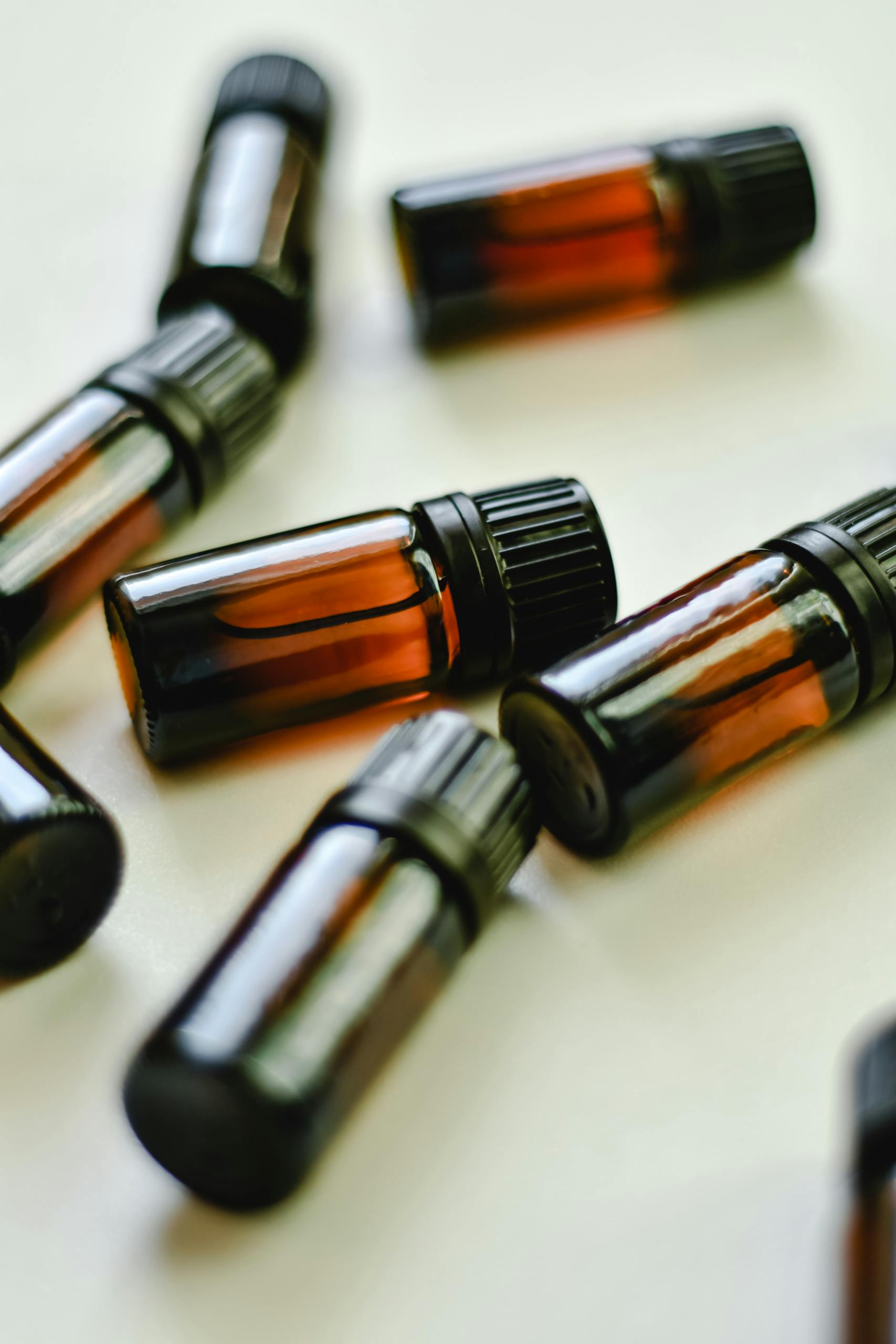
Essential oils profoundly affect human biology.
By layering aromatic essences, practitioners can create targeted outcomes, whether to promote relaxation, enhance mood, or support overall well-being.
As interest in essential oils grows, modern research is uncovering how these natural compounds interact with the body at the molecular level.
Aromatherapy, a key pillar of holistic and alternative medicine, is based on the idea that certain scents can stimulate the olfactory system and trigger bodily responses.
When inhaled through diffusers, candles, or massage oils, aromatic essences from essential oils activate nerve cells in the nose that connect directly to the brain, influencing physical and emotional states.
What the Research Actually Shows
While skeptics may question essential oils’ benefits, scientific studies continue to explore their efficacy.
Research from the U.S. National Library of Medicine shows that aromatherapy, derived from herbal medicine, has historically been used to address physical and emotional health issues.
This blend of tradition and modern science validates their use over centuries.
A significant 2014 study showed that scents directly affect the brain’s olfactory bulb.
These findings help explain how inhaling essential oils can promote relaxation, improve mood, and heighten focus.
This biological process begins when you inhale tiny molecules from aromatic essences.
These molecules trigger olfactory nerve cells and send messages to the brain.
The brain responds by producing physical effects (like changes in heart rate) and emotional effects (such as calmness or alertness).
The Science Behind the Scent
When you inhale an essential oil, here’s what actually happens in your body:
- Molecular Activation: Volatile aromatic molecules enter your nasal passages
- Nerve Stimulation: These molecules bind to olfactory receptors, triggering nerve cells
- Brain Communication: Signals travel directly to the limbic system—your emotional control center
- Physiological Response: Your body responds with measurable changes in heart rate, blood pressure, stress hormones, and neurotransmitter production
This isn’t pseudoscience.
It’s measurable, reproducible biology that explains why certain scents can genuinely affect your mood and physical state.
Essential Oils in Modern Wellness Practices
Although aromatherapy is still categorized as alternative medicine, it is quickly becoming part of mainstream wellness practices.
Complementary therapies such as acupuncture, massage, and even herbal teas are often combined with essential oils to enhance their effects.
The acceptance of the scientific basis for these oils further bridges this gap.
More and more, insurance providers recognize these treatments.
For instance, some health plans now cover acupuncture and massage therapy, which often incorporate the benefits of essential oils, making them more accessible to those seeking holistic care.
Start with Quality
Not all essential oils are created equal.
The market is flooded with synthetic fragrances labeled as “essential oils,” but these won’t provide therapeutic benefits—and may actually be harmful.
Look for:
- 100% pure essential oils (check the label carefully)
- Therapeutic-grade or certified organic options
- Latin botanical names on bottles (this indicates transparency)
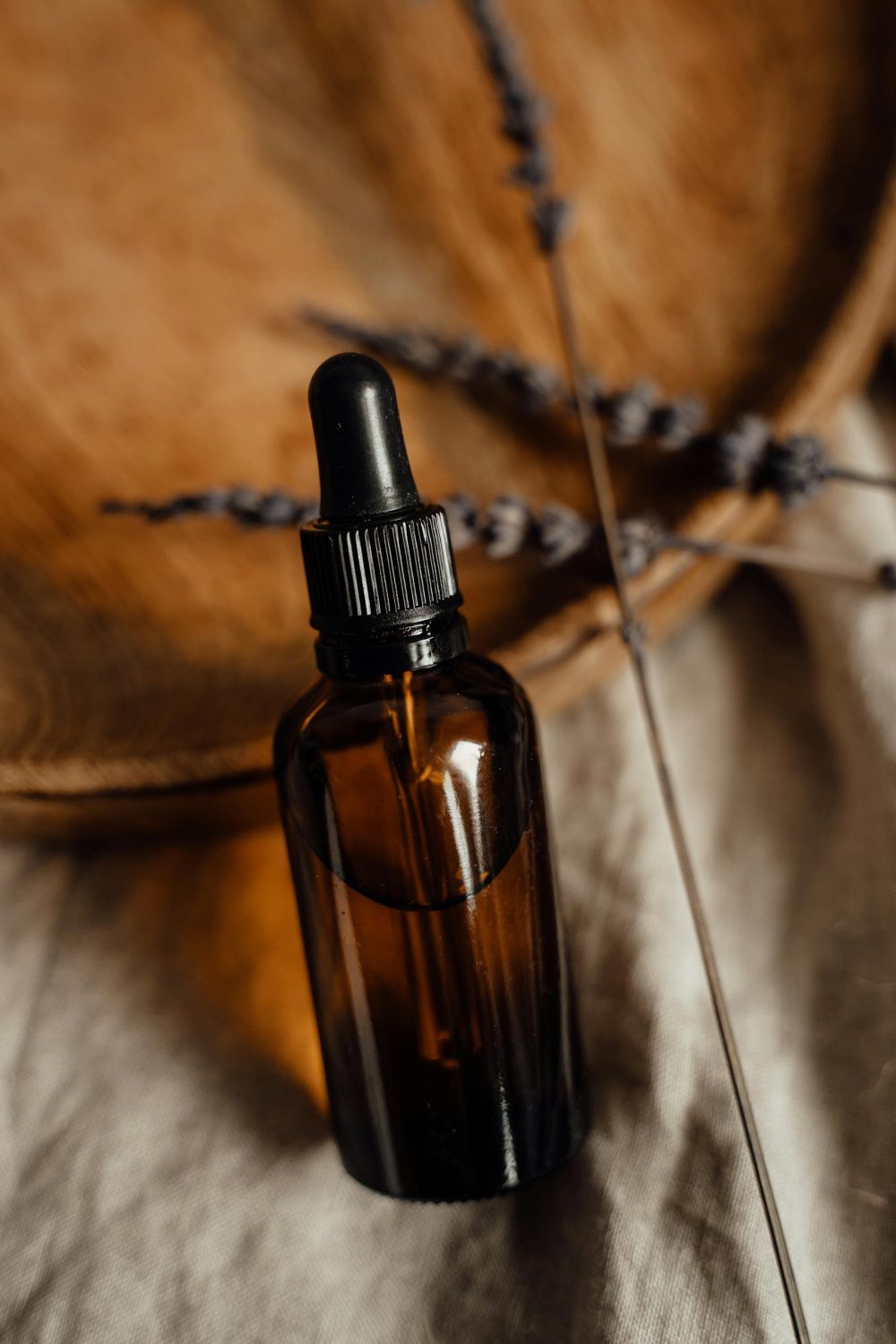
- Dark glass bottles (amber or cobalt blue protect oils from light degradation)
- Clear sourcing information from reputable suppliers
The Beginner’s Starter Kit
If you’re new to essential oils, start with these versatile, well-researched options:
Lavender (Lavandula angustifolia):
Calming, promotes relaxation, supports sleep quality.
One of the most studied essential oils, it has a strong safety profile.
Peppermint (Mentha piperita):
Energizing; may help with focus and mental clarity.
Research suggests it may help with tension headaches when diluted and applied topically.
Lemon (Citrus limon):
Uplifting, cleansing properties.
Great for creating a fresh, clean atmosphere in your home.
Tea Tree (Melaleuca alternifolia):
Antimicrobial properties backed by research.
Useful for cleaning solutions and skincare (always diluted).
Frankincense (Boswellia carterii):
Grounding supports meditation practices.
Traditionally used to support respiratory health and skin health.
Safe Application Methods
Diffusion: The safest way to experience essential oils.
- Use an ultrasonic diffuser or nebulizer
- Start with 3-5 drops in your diffuser
- Diffuse for 30-60 minutes at a time, not continuously
- Ensure proper ventilation
Topical Application: Always dilute before applying to the skin.
- Use a carrier oil (coconut, jojoba, sweet almond oil)
- Standard dilution: 2-3 drops of essential oil per teaspoon of carrier oil
- Perform a patch test first (inner elbow for 24 hours)
- Avoid sensitive areas (eyes, mucous membranes, broken skin)
Inhalation: Inhale directly from the bottle or from a tissue.
- Simply smell the oil from the bottle cap
- Add 1-2 drops to a tissue and inhale
- Perfect for on-the-go aromatherapy
What NOT to Do
Let’s address some dangerous misinformation circulating in the wellness space:
- Never ingest essential oils unless a qualified aromatherapist or healthcare provider guides you.
- Despite what some MLM companies claim, this can be extremely dangerous.
- Don’t apply undiluted oils to your skin (with rare exceptions like lavender for minor burns, but even this should be done cautiously)
- Avoid using essential oils on infants and young children without professional guidance
- Be cautious during pregnancy; many oils are contraindicated
- Don’t assume “natural” means “safe”; essential oils are highly concentrated and powerful
Creating a Non-Toxic Home Environment
One of the main reasons people turn to essential oils is to eliminate toxic chemicals from their living spaces.
Unlike synthetic air fresheners, fabric sprays, and cleaning products laden with harmful chemicals, essential oils offer a natural alternative for creating a fresh, welcoming home.
Replace Toxic Products with Essential Oil Solutions
Instead of synthetic air fresheners, create your own room sprays with distilled water, witch hazel, and your favorite essential oils.
Instead of chemical cleaners, use essential oils, which have genuine antimicrobial properties.
Add tea tree, lemon, and eucalyptus to DIY cleaning solutions.
Instead of scented candles with fragrance oils, use essential oil diffusers or make your own candles with natural wax and pure essential oils.
Instead of dryer sheets, wool dryer balls with a few drops of lavender or lemon essential oil provide a non-toxic alternative.
Your Free Guide to Non-Toxic Living
Creating a truly non-toxic environment involves more than just using essential oils.
It’s about understanding which products in your home may be causing harm and how to replace them safely and affordably.
That’s why I created a comprehensive guide to creating a non-toxic home environment, and I’m offering it free to support your wellness journey.
This guide covers:
- Identifying hidden toxins in everyday products
- Room-by-room detoxification strategies
- DIY recipes using essential oils and other natural ingredients
- Safe shopping guidelines for cleaning and personal care products
- Budget-friendly swaps that actually work
This resource complements your essential oil practice by showing you how to create a holistic, healthy home environment where you and your family can thrive.
The Reality Check: What Essential Oils Can’t Do
As much as I love essential oils, we need an approach that fits.
Here’s what the science does NOT support:
Essential oils cannot:
- Cure cancer, diabetes, or other serious diseases.
- Replace necessary medical treatment.
- “Detox” your body (your liver and kidneys already do this).
- Boost your immune system to prevent serious illness.
- Treat bacterial infections as effectively as antibiotics.
Anyone making these claims is either misinformed or deliberately misleading you.
Essential oils can be powerful wellness tools when used correctly.
The Truth About “Therapeutic Grade” Marketing
You’ll often see oils marketed as “therapeutic grade” or “certified pure therapeutic grade.”
Here’s a fact that might surprise you:
No official governing body certifies essential oils as “therapeutic grade.”
This is purely a marketing term created by essential oil companies.
What matters more:
- Third-party testing results (GC/MS analysis)
- Organic certification, when possible
- Transparent sourcing practices
- Company reputation and ethics
Don’t let fancy marketing language convince you to overpay.
Focus on purity, testing, and transparent companies instead.
Building Your Essential Oil Practice
Once you understand the basics, here’s how to deepen your practice:
Experiment Mindfully.
Your body’s response to essential oils is individual.
What relaxes one person might energize another.
Keep a simple journal noting:
- Which oils are you using?
- Method of application.
- How do you feel before and after?
- Any unexpected reactions?
Layer Your Aromatherapy
Create custom blends for specific needs. For example:
Sleep Support Blend:
- 3 drops lavender
- 2 drops Roman chamomile
- 1 drop cedarwood
Focus & Clarity Blend:
- 2 drops rosemary
- 2 drops peppermint
- 1 drop of lemon
Stress Relief Blend:
- 3 drops of bergamot
- 2 drops frankincense
- 1 drop ylang ylang
Consider Professional Guidance
While essential oils are accessible for home use, working with a certified aromatherapist can help you:
- Create personalized protocols for specific health concerns
- Navigate safety considerations for special populations
- Understand the chemistry behind oil interactions
- Develop more sophisticated blending skills
As a licensed aromatherapist, I’ve seen how professional guidance accelerates results while keeping safety front and center.
The Bottom Line: Science Meets Soul
Essential oils sit at a beautiful intersection of measurable science and ancient wisdom.
The research shows real, measurable effects on our nervous system, emotional state, and overall well-being.
As more research highlights the science of essential oils, their role in promoting well-being becomes increasingly apparent.
Whether you want to calm your mind, uplift your mood, support your physical health, or simply create a non-toxic beauty routine and home environment, aromatic essences offer a natural, effective solution when used with knowledge and respect.
The key is to approach them with both wonder and wisdom: appreciate their power while understanding their limitations, enjoy their beauty while respecting safety guidelines, and embrace traditional uses while valuing scientific validation.
Start Your Journey Today
Your path to a healthier, more aromatic life begins with education and the right resources. Remember to:
- Start small with 2-3 high-quality essential oils
- Invest in a good diffuser as your primary application method
- Educate yourself continuously about safety and proper use
- Listen to your body—it knows what it needs
Essential oils have enriched my life immeasurably, from helping me manage childhood psoriasis to creating a daily wellness ritual that grounds and centers me.
My hope is that by sharing both the science and the soul of aromatherapy, you’ll discover your own transformative relationship with these remarkable plant gifts.
Are you ready to embrace the power of essential oils backed by both science and wisdom?
What questions do you have about getting started?
Share your thoughts in the comments below, and let’s keep the conversation going about creating wellness that’s both natural and effective.
Resources & Further Reading:
- U.S. National Library of Medicine: PubMed database for essential oil research
- Tisserand Institute: Evidence-based essential oil safety information
- National Association for Holistic Aromatherapy (NAHA): Professional aromatherapy education
Disclaimer: This information is for educational purposes only and is not intended to diagnose, treat, cure, or prevent any disease. Always consult with a qualified healthcare provider before beginning any new wellness practice, especially if you are pregnant, nursing, taking medications, or have existing health conditions.
- https://scental.org/the-science-backed-benefits-that-transform-your-mood-and-mind-with-essential-oils/
- https://scental.org/how-essential-oils-work-on-your-brain-and-their-molecular-magic/
- https://scental.org/getting-started-with-essential-oils-the-first-easy-step-to-begin-blending-at-home/