Blending Essential Oils Guide: Methods, Ratios & Safety
Blending essential oils matters.
Single oils work fine on their own.
When blending essential oils, you can create custom scents and combine therapeutic properties.
You can target specific needs, such as better sleep, mental clarity, or skin care, by mixing oils that complement each other.
Blending essential oils isn’t complicated.
You just need to understand a few basic principles and follow safe dilution ratios.
This guide covers traditional methods that work, plus recipes you can start using today.
Note: The article contains affiliate links that may earn a commission; otherwise, the price is unaffected. All references are carefully selected to provide the best and most wholesome results.
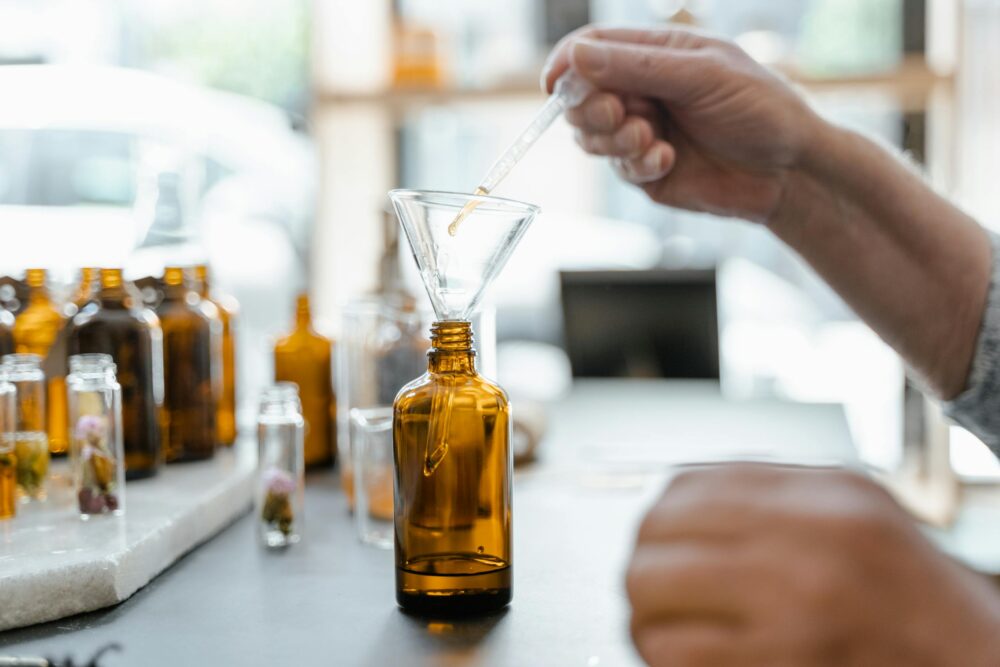
Basic Blending Essential Oils Guide
Start with these fundamentals:
Dilution matters.
Essential oils are concentrated.
Most topical blends need 2-3% dilution for adults.
That’s 12-18 drops per ounce of carrier oil.
Note categories help.
Oils fall into three groups:
Top notes (light, evaporate quickly).
Middle notes (the heart of your blend).
Base notes (heavy, last longest).
A balanced blend uses all three.
Less is more.
Start with 3-4 oils maximum.
You can always add complexity later.
Safe Dilution Ratios
Here’s what you need to know:
- Facial blends: 1% dilution (6 drops per ounce of carrier)
- Body blends: 2-3% dilution (12-18 drops per ounce)
- Spot treatment: Up to 5% dilution (30 drops per ounce)
- Children (2-12 years): 1% dilution maximum
- Infants: Avoid or use 0.25% with professional guidance
Always use a carrier oil, such as jojoba, sweet almond, or fractionated coconut oil.
Never apply undiluted oils directly to skin.
Traditional Blending Methods
The drop method is the simplest.
Add oils drop by drop to your carrier, testing as you go.
Start with your base note, add middle notes, then finish with top notes.
The percentage method gives you more control.
Decide what percentage of your blend each oil should be, then calculate drops accordingly.
Synergy blending focuses on therapeutic goals.
Research which oils work well together for specific purposes, then combine them in equal or weighted ratios.
Creative Blending Essential Oils Recipes
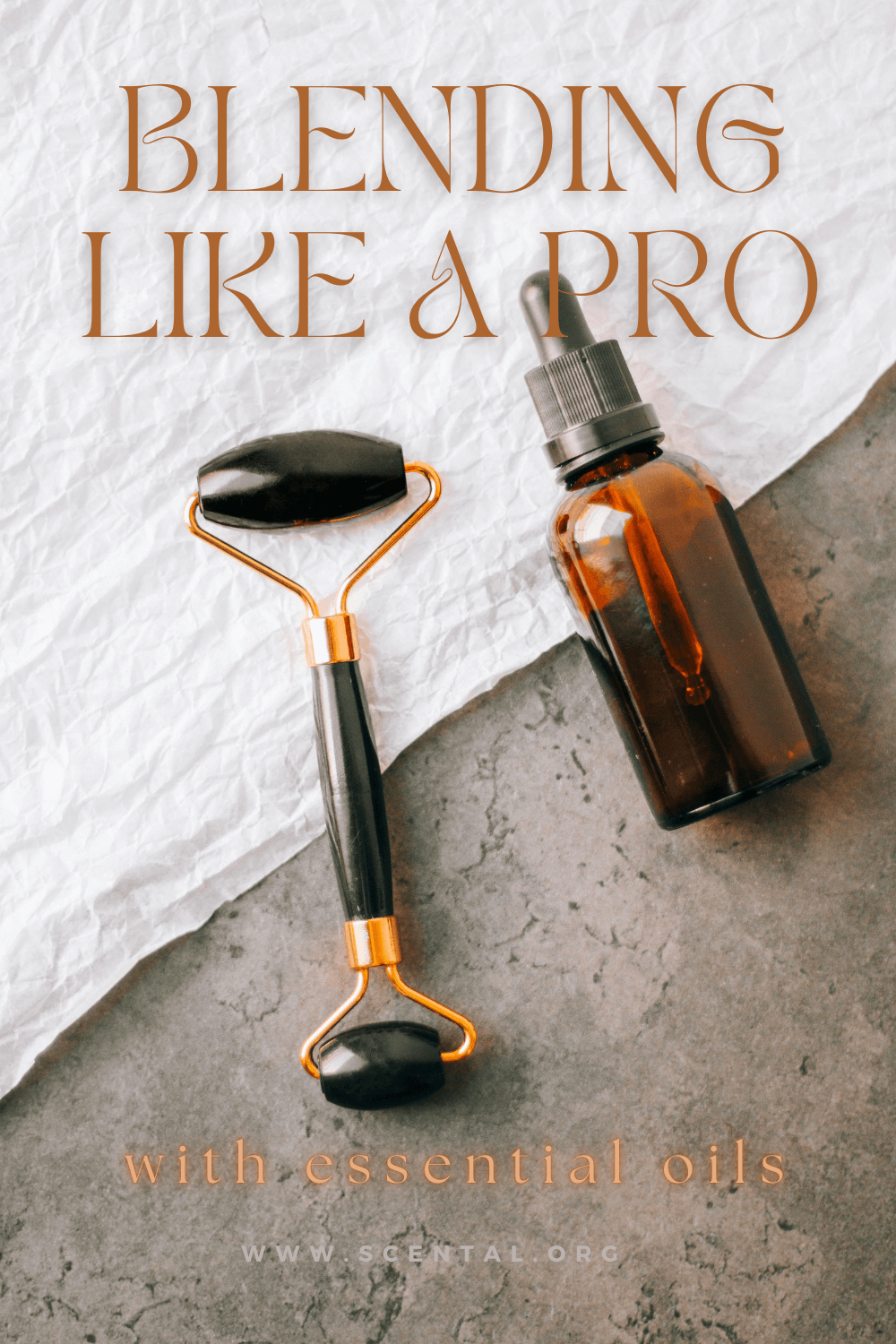
Morning Energy Blend
- 3 drops of peppermint (top note)
- 4 drops of rosemary (middle note)
- 2 drops of cedarwood (base note)
- 1 oz carrier oil
Use this in a roller bottle for pulse points when you need focus.
Sleep Support Blend
- 4 drops of lavender (top note)
- 3 drops of chamomile (middle note)
- 2 drops of sandalwood (base note)
- 1 oz carrier oil
Apply to the bottoms of feet before bed.
Muscle Relief Blend
- 3 drops of eucalyptus (top note)
- 4 drops of marjoram (middle note)
- 2 drops of ginger (base note)
- 3 drops of black pepper (middle note)
- 1 oz carrier oil
Massage into sore muscles after exercise.
Immune Support Diffuser Blend
- 3 drops of tea tree
- 2 drops of lemon
- 2 drops of eucalyptus
- 1 drop of oregano
Add to the diffuser with water.
Don’t apply this blend topically without proper dilution.
Mood Lifting Blend
- 4 drops of bergamot (top note)
- 3 drops of ylang ylang (middle note)
- 2 drops of frankincense (base note)
- 1 oz carrier oil
Wear as a natural perfume or add to a bath.
Focus & Clarity Blend
- 2 drops of basil (middle note)
- 3 drops of lemon (top note)
- 2 drops of cypress (middle note)
- 2 drops of vetiver (base note)
- 1 oz carrier oil
Perfect for desk work or studying.
Safety Practices for Blending Essential Oils
Some oils cause photosensitivity.
Citrus oils, especially, can make your skin burn in sunlight.
Avoid sun exposure for 12-24 hours after using bergamot, lemon, lime, or grapefruit on the skin.
Patch test new blends.
Apply a small amount to your inner forearm, then wait 24 hours to check for a reaction.
Certain oils aren’t safe during pregnancy.
Avoid clary sage, rosemary, and peppermint in the first trimester.
Check with a healthcare provider before using any oils while pregnant or nursing.
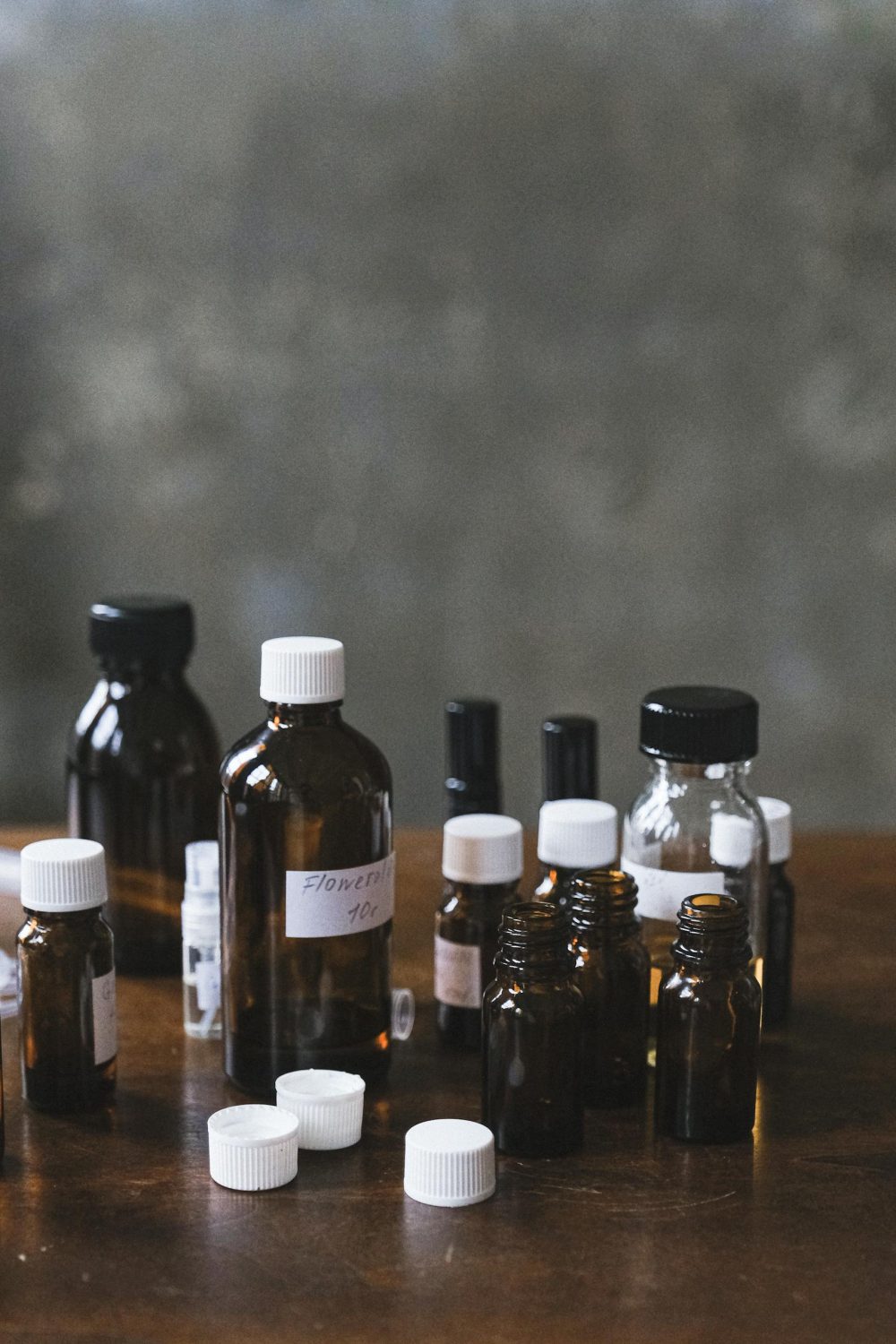
Store blends in dark glass bottles away from heat and light.
Label everything with contents and date.
Most blends last 6-12 months.
Testing Your Blends
Smell changes as oils evaporate at different rates.
Test your blend immediately, after 10 minutes, and after an hour.
If something smells off, adjust.
Add more base notes if the scent fades too quickly.
Add top notes if it smells too heavy.
Keep notes on what you create.
Write down exact ratios so you can remake successful blends.
Common Mistakes to Avoid
Don’t skip the carrier oil.
Undiluted essential oils can irritate or burn skin.
Don’t assume natural means safe for everyone.
Essential oils are powerful and can cause reactions.
Don’t use old or oxidized oils.
They lose effectiveness and can cause sensitivity.
Citrus oils, especially, go bad quickly.
Don’t blend in plastic containers.
Essential oils break down plastic.
Use glass or stainless steel only.
Building Your Blending Skills
Start simple.
Master a few basic recipes before experimenting with complex blends.
Study individual oils.
Learn their properties, scent profiles, and safety considerations.
Join communities. Other people who blend oils can offer advice and inspiration.
The best way to learn is by doing.
Mix small batches, take notes, and adjust as needed.
- /https://scental.org/how-to-create-an-essential-oil-blend-in-3-easy-steps/
- https://scental.org/getting-started-with-essential-oils-the-first-easy-step-to-begin-blending-at-home/
- https://scental.org/how-to-choose-high-quality-essential-oils-a-buyers-guide/


3 Comments