The Science Behind Essential Oils
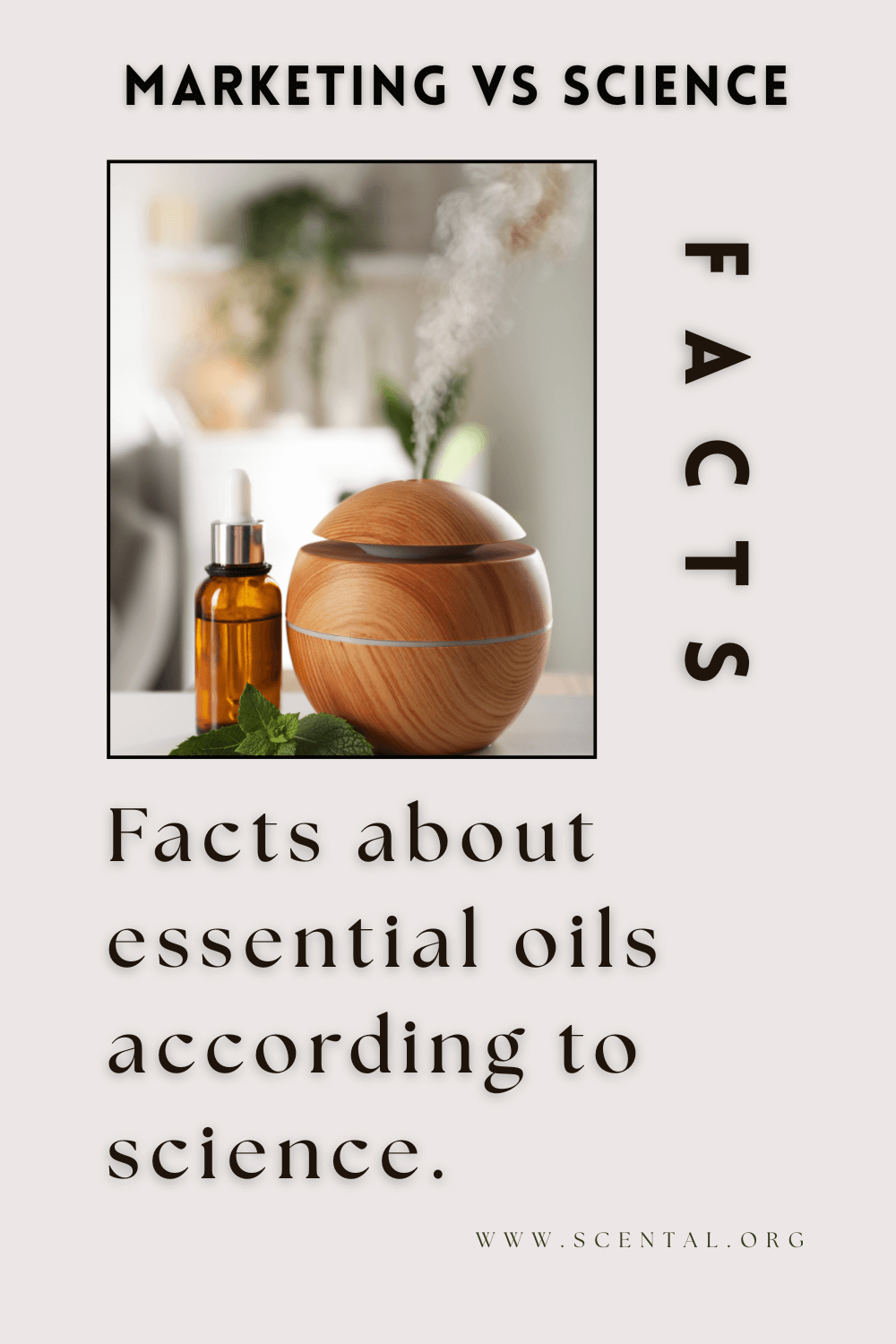
Facts About Essential Oils and what the science actually says.
Truth vs Marketing in the Wellness World
The wellness industry is flooded with claims about essential oils, some miraculous, some downright misleading.
As someone who’s passionate about both the mystical and scientific aspects of aromatherapy, I’m here to cut through the marketing noise and share what science actually reveals about these powerful plant extracts.
Whether you’re drawn to essential oils for their non-toxic beauty benefits or their therapeutic properties, understanding the facts helps you make informed choices for your well-being.
How Essential Oils Benefit Human Biology
Note: The article contains affiliate links that may earn a commission; otherwise, the price is unaffected. All references are carefully selected to provide the best and most wholesome results.
The power of essential oils profoundly affects human biology.
By layering aromatic essences, practitioners can create targeted outcomes, whether to promote relaxation, enhance mood, or support overall well-being.
As the science of essential oils gains attention, modern research is uncovering how these natural compounds interact with the body on a molecular level.
Aromatherapy, a key pillar of holistic and alternative medicine, is built on the idea that certain scents can stimulate the olfactory system and trigger responses in the body.
When inhaled through diffusers, candles, or massage oils, aromatic essences from essential oils activate nerve cells in the nose that connect directly to the brain, influencing physical and emotional states.
What the Research Actually Shows
While skeptics may question the benefits of essential oils, scientific studies continue to explore their efficacy.
Research from the U.S. National Library of Medicine reveals that aromatherapy, derived from herbal medicine, has been used historically to address physical and emotional health issues.
This blend of tradition and modern science validates their use over centuries.
One significant 2014 study demonstrated how scents directly impact the olfactory bulb in the brain.
These findings explain how inhaling essential oils can lead to reactions such as relaxation, improved mood, and heightened focus.
This biological process starts when tiny molecules from aromatic essences are inhaled.
These molecules trigger olfactory nerve cells, sending messages to the brain.
The brain responds by producing physical effects (like changes in heart rate) and emotional effects (such as calmness or alertness).
The Science Behind the Scent
When you inhale an essential oil, here’s what actually happens in your body:
- Molecular Activation: Volatile aromatic molecules enter your nasal passages
- Nerve Stimulation: These molecules bind to olfactory receptors, triggering nerve cells
- Brain Communication: Signals travel directly to the limbic system—your emotional control center
- Physiological Response: Your body responds with measurable changes in heart rate, blood pressure, stress hormones, and neurotransmitter production
This isn’t pseudoscience.
It’s measurable, reproducible biology that explains why certain scents can genuinely affect your mood and physical state.
Essential Oils in Modern Wellness Practices
Although aromatherapy is still categorized as alternative medicine, it is quickly becoming part of mainstream wellness practices.
Complementary therapies such as acupuncture, massage, and even herbal teas are often combined with essential oils to enhance their effects.
The acceptance of the scientific basis for these oils further bridges this gap.
Increasingly, insurance providers recognize these treatments.
For instance, acupuncture and massage therapy, which frequently incorporate the benefits of essential oils, are now covered in some health plans, making them more accessible to those seeking holistic care.
Start with Quality
Not all essential oils are created equal.
The market is flooded with synthetic fragrances labeled as “essential oils,” but these won’t provide therapeutic benefits—and may actually be harmful.
Look for:
- 100% pure essential oils (check the label carefully)
- Therapeutic-grade or certified organic options
- Latin botanical names on bottles (this indicates transparency)
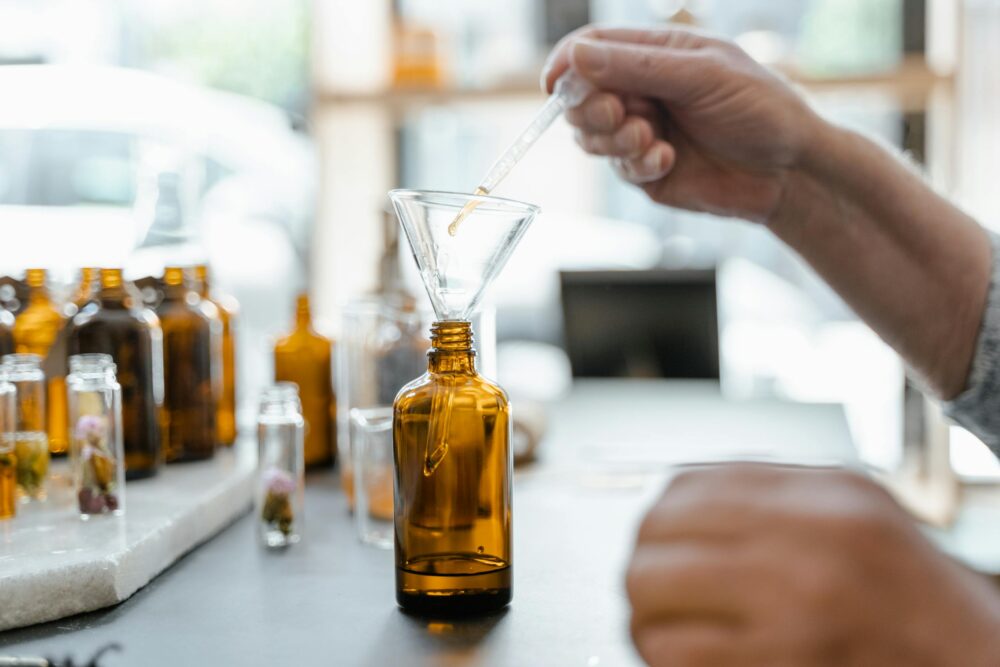
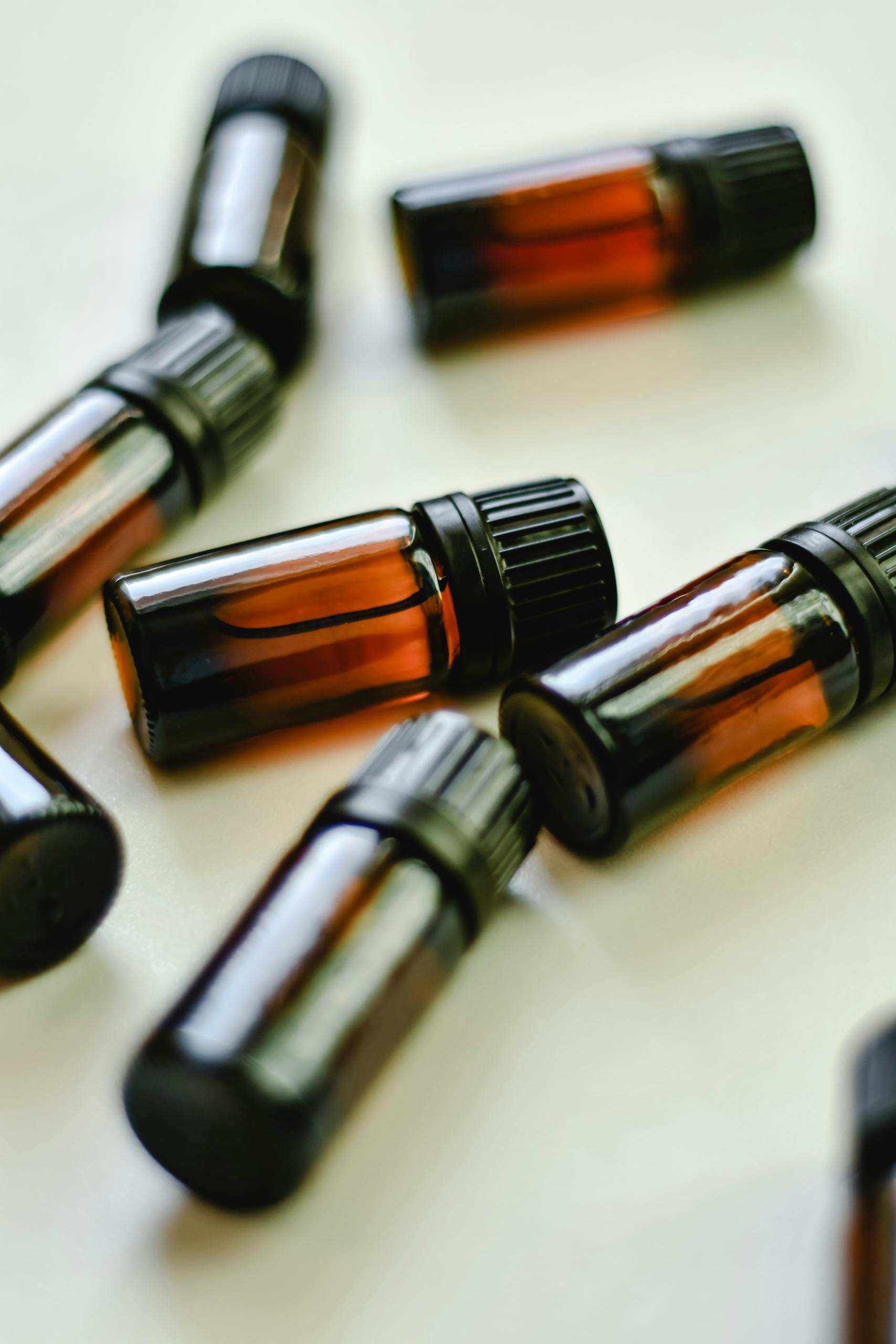
- Dark glass bottles (amber or cobalt blue protect oils from light degradation)
- Clear sourcing information from reputable suppliers
The Beginner’s Starter Kit
If you’re new to essential oils, start with these versatile, well-researched options:
Lavender (Lavandula angustifolia):
Calming, promotes relaxation, supports sleep quality.
One of the most studied essential oils has a strong safety profile.
Peppermint (Mentha piperita):
Energizing may help with focus and mental clarity.
Research suggests benefits for tension headaches when diluted and applied topically.
Lemon (Citrus limon):
Uplifting, cleansing properties.
Great for creating a fresh, clean atmosphere in your home.
Tea Tree (Melaleuca alternifolia):
Antimicrobial properties backed by research.
Useful for cleaning solutions and skincare (always diluted).
Frankincense (Boswellia carterii):
Grounding supports meditation practices.
Traditionally used for respiratory support and skin health.
Safe Application Methods
Diffusion: The safest way to experience essential oils.
- Use an ultrasonic diffuser or nebulizer
- Start with 3-5 drops in your diffuser
- Diffuse for 30-60 minutes at a time, not continuously
- Ensure proper ventilation
Topical Application: Always dilute before applying to the skin.
- Use a carrier oil (coconut, jojoba, sweet almond oil)
- Standard dilution: 2-3 drops of essential oil per teaspoon of carrier oil
- Perform a patch test first (inner elbow for 24 hours)
- Avoid sensitive areas (eyes, mucous membranes, broken skin)
Inhalation: Direct from the bottle or on a tissue.
- Simply smell the oil from the bottle cap
- Add 1-2 drops to a tissue and inhale
- Perfect for on-the-go aromatherapy
What NOT to Do
Let’s address some dangerous misinformation circulating in the wellness space:
- Never ingest essential oils unless under the guidance of a qualified aromatherapist or healthcare provider.
- Despite what some MLM companies claim, this can be extremely dangerous.
- Don’t apply undiluted oils to your skin (with rare exceptions like lavender for minor burns, but even this should be done cautiously)
- Avoid using essential oils on infants and young children without professional guidance
- Be cautious during pregnancy; many oils are contraindicated
- Don’t assume “natural” means “safe”; essential oils are highly concentrated and powerful
Creating a Non-Toxic Home Environment
One of the most compelling reasons people turn to essential oils is the desire to eliminate toxic chemicals from their living spaces.
Unlike synthetic air fresheners, fabric sprays, and cleaning products laden with harmful chemicals, essential oils offer a natural alternative for creating a fresh, welcoming home.
Replace Toxic Products with Essential Oil Solutions
Instead of synthetic air fresheners, create your own room sprays with distilled water, witch hazel, and your favorite essential oils.
Instead of chemical cleaners, essential oils have genuine antimicrobial properties.
Tea tree, lemon, and eucalyptus can be incorporated into DIY cleaning solutions.
Instead of scented candles with fragrance oils, use essential oil diffusers or make your own candles with natural wax and pure essential oils.
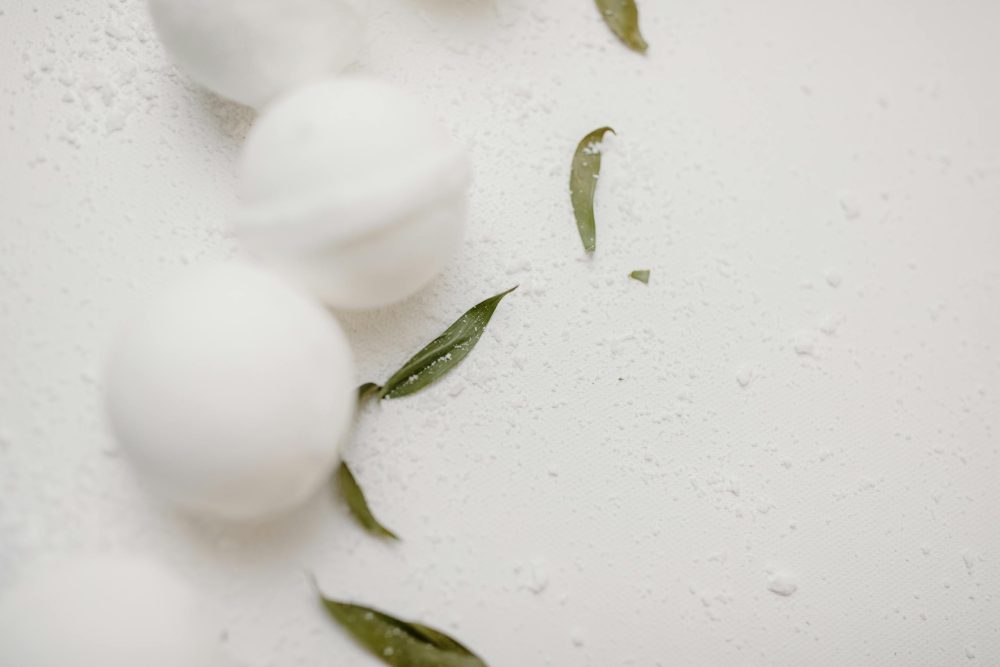
Instead of dryer sheets, wool dryer balls with a few drops of lavender or lemon essential oil provide a non-toxic alternative.
Your Free Guide to Non-Toxic Living
Creating a truly non-toxic environment involves more than just using essential oils.
It’s about understanding which products in your home may be causing harm and how to replace them safely and affordably.
That’s why I’ve created a comprehensive guide to creating a non-toxic home environment, and I’m offering it free to help you on your wellness journey.
Download Your Free Non-Toxic Home Guide Here
This guide covers:
- Identifying hidden toxins in everyday products
- Room-by-room detoxification strategies
- DIY recipes using essential oils and other natural ingredients
- Safe shopping guidelines for cleaning and personal care products
- Budget-friendly swaps that actually work
This resource complements your essential oil practice by showing you how to create a holistic, healthy home environment where you and your family can thrive.
The Reality Check: What Essential Oils Can’t Do
As much as I love essential oils, honesty is crucial.
Here’s what the science does NOT support:
Essential oils cannot:
- Cure cancer, diabetes, or other serious diseases.
- Replace necessary medical treatment.
- “Detox” your body (your liver and kidneys already do this).
- Boost your immune system to prevent serious illness.
- Treat bacterial infections as effectively as antibiotics.
Anyone making these claims is either misinformed or deliberately misleading you.
Essential oils are powerful tools for wellness when used correctly.
The Truth About “Therapeutic Grade” Marketing
You’ll often see oils marketed as “therapeutic grade” or “certified pure therapeutic grade.”
Here’s a fact that might surprise you:
There is no official governing body that certifies essential oils as “therapeutic grade.”
This is purely a marketing term created by essential oil companies.
What matters more:
- Third-party testing results (GC/MS analysis)
- Organic certification, when possible
- Transparent sourcing practices
- Company reputation and ethics
Don’t let fancy marketing language convince you to overpay.
Focus on purity, testing, and transparent companies instead.
Building Your Essential Oil Practice
Once you understand the basics, here’s how to deepen your practice:
Experiment Mindfully.
Your body’s response to essential oils is individual.
What relaxes one person might energize another.
Keep a simple journal noting:
- Which oils are you using?
- Method of application.
- How do you feel before and after?
- Any unexpected reactions?
Layer Your Aromatherapy
Create custom blends for specific needs. For example:
Sleep Support Blend:
- 3 drops lavender
- 2 drops Roman chamomile
- 1 drop cedarwood
Focus & Clarity Blend:
- 2 drops rosemary
- 2 drops peppermint
- 1 drop of lemon
Stress Relief Blend:
- 3 drops of bergamot
- 2 drops frankincense
- 1 drop ylang ylang
Consider Professional Guidance
While essential oils are accessible for home use, working with a certified aromatherapist can help you:
- Create personalized protocols for specific health concerns
- Navigate safety considerations for special populations
- Understand the chemistry behind oil interactions
- Develop more sophisticated blending skills
As a licensed aromatherapist myself, I’ve seen how professional guidance accelerates results while keeping safety at the forefront.
The Bottom Line: Science Meets Soul
Essential oils occupy a beautiful intersection between measurable science and ancient wisdom.
The research shows real, measurable effects on our nervous system, emotional state, and overall well-being.
As more research highlights the science of essential oils, their role in promoting well-being becomes increasingly apparent.
Whether you want to calm your mind, uplift your mood, support your physical health, or simply create a non-toxic beauty routine and home environment, aromatic essences offer a natural, effective solution when used with knowledge and respect.
The key is approaching them with both wonder and wisdom: appreciating their power while understanding their limitations, enjoying their beauty while respecting safety guidelines, and embracing traditional uses while valuing scientific validation.
Start Your Journey Today
Your path to a healthier, more aromatic life begins with education and the right resources. Remember to:
- Download the free non-toxic home guide to complement your essential oil journey
- Start small with 2-3 high-quality essential oils
- Invest in a good diffuser as your primary application method
- Educate yourself continuously about safety and proper use
- Listen to your body—it knows what it needs
Essential oils have enriched my life immeasurably, from helping me manage childhood psoriasis to creating a daily wellness ritual that grounds and centers me.
My hope is that by sharing both the science and the soul of aromatherapy, you’ll discover your own transformative relationship with these remarkable plant gifts.
Are you ready to embrace the power of essential oils backed by both science and wisdom?
What questions do you have about getting started?
Share your thoughts in the comments below, and let’s continue this conversation about creating wellness that’s both natural and effective.
Resources & Further Reading:
- U.S. National Library of Medicine: PubMed database for essential oil research
- Tisserand Institute: Evidence-based essential oil safety information
- National Association for Holistic Aromatherapy (NAHA): Professional aromatherapy education
Disclaimer: This information is for educational purposes only and is not intended to diagnose, treat, cure, or prevent any disease. Always consult with a qualified healthcare provider before beginning any new wellness practice, especially if you are pregnant, nursing, taking medications, or have existing health conditions.
- https://scental.org/the-science-backed-benefits-that-transform-your-mood-and-mind-with-essential-oils/
- https://scental.org/how-essential-oils-work-on-your-brain-and-their-molecular-magic/
- https://scental.org/getting-started-with-essential-oils-the-first-easy-step-to-begin-blending-at-home/