Essential Oils for Men: Build Your Own Skincare Kit
Most men want skincare that works without complicated routines.
Essential oils offer a straightforward solution.
They are concentrated plant extracts that can address specific skin concerns when used correctly.
This guide covers the fundamentals of building a men’s skincare kit with essential oils.
You’ll learn which oils work best, how to dilute them safely, and practical recipes you can make at home.
Note: The article contains affiliate links that may earn a commission; otherwise, the price is unaffected. All references are carefully selected to provide the best and most wholesome results.
Understanding Essential Oils for Men’s Skincare
Essential oils aren’t actually oils.
They’re volatile compounds extracted from plants through distillation or cold pressing.
When applied to the skin, they need to be diluted in a carrier oil such as jojoba or sweet almond oil.
Men’s skin differs from women’s skin in several ways.
It’s typically 25% thicker, produces more sebum, and has larger pores.
This means men can often tolerate slightly stronger concentrations of essential oils.
But that doesn’t mean you should skip dilution.
The reality is that men’s skin is also more sensitive to shaving-related irritation.
Daily razor use strips away the skin’s protective barrier.
This makes proper skincare more important, not less.
The three most versatile essential oils for a man’s skincare kit are:
Tea tree fights bacteria and works well for acne-prone skin.
Cedarwood balances oil production and has a woody, masculine scent.
Frankincense reduces inflammation and helps with aging skin.
But these are just starting points.
As you become more comfortable working with essential oils, you’ll discover dozens of options for specific concerns.
Why Men Should Care About Natural Skincare
The skincare industry markets heavily to women.
But men’s skin needs attention too.
Sun damage, environmental pollutants, and daily shaving all take their toll.
Commercial men’s skincare products often contain harsh alcohols, synthetic fragrances, and unnecessary chemicals.
These ingredients can disrupt your skin’s natural balance and cause long-term problems.
Essential oils offer an alternative.
When used properly, they work with your skin’s natural processes rather than against them.
And you control exactly what goes into each product.
Making your own skincare also costs less over time.
A small collection of essential oils and carrier oils can replace a cabinet full of expensive products.
Safety First: Dilution Ratios That Work
Never apply undiluted essential oils directly to your face.
The standard dilution for facial skincare is 1-2%. For body products, you can go up to 3%.
Here’s what these percentages mean in practical terms:
For a 1% dilution, add 6 drops of essential oil per ounce of carrier oil.
A 2%, use 12 drops per ounce.
And for 3%, add 18 drops per ounce.
These ratios matter. Essential oils are highly concentrated.
A single drop contains the active compounds from several pounds of plant material.
More isn’t better.
Higher concentrations increase the risk of irritation and sensitization without improving results.
Always do a patch test first.
Apply a small amount of your diluted mixture to the inside of your wrist.
Wait 24 hours to see if any redness or irritation develops.
Some essential oils cause photosensitivity.
Citrus oils like bergamot and lemon make your skin more vulnerable to sun damage.
If you use these, apply them at night or wear sunscreen during the day.
Certain essential oils should be avoided entirely on facial skin.
Cinnamon, clove, and oregano are too irritating for most people.
The Men’s Skincare Kit
Start with three carrier oils and three essential oils.
This gives you flexibility without overwhelming your bathroom counter.
For carrier oils, choose jojoba, sweet almond, and argan.
Jojoba closely mimics skin’s natural sebum.
Best for facial products.
Sweet almond oil absorbs quickly and works for most skin types.
It works really well for a body treatment.
Argan oil delivers vitamins and works particularly well for dry or mature skin.
Mostly used for hair and beard.
Each carrier oil has different properties.
Jojoba is technically a liquid wax, not an oil.
This means it doesn’t oxidize as quickly as true oils.
It also won’t clog pores, making it ideal for oily or acne-prone skin.
Sweet almond oil contains vitamins A, E, and B.
It absorbs within minutes and leaves no greasy residue.
The mild, slightly nutty scent appeals to most men.
Argan oil comes from Morocco.
It’s rich in fatty acids and vitamin E.
The texture is slightly heavier than jojoba or sweet almond, but it delivers impressive results for mature skin.
- For essential oils, get:
tea tree,
cedarwood,
and peppermint.
These three handle the most common skincare needs for men.
You can expand later, but this foundation covers the basics.
Tea tree oil comes from Australia.
Studies show it kills acne-causing bacteria as effectively as benzoyl peroxide, but with less irritation and dryness.
Cedarwood oil balances sebum production.
It also has astringent properties that tighten pores.
The woody scent is naturally masculine without smelling like cologne.
Peppermint oil stimulates blood flow and creates a cooling sensation.
Use it sparingly because it’s quite strong.
But in proper dilution, it wakes up tired skin and reduces inflammation.
Dark glass bottles for storage.
Essential oils break down in sunlight and plastic.
Small dropper bottles work best for face oils.
Larger bottles with pumps work for body products.
Amber or cobalt blue glass works equally well.
Get several sizes.
Two-ounce bottles are perfect for face oils.
Four-ounce bottles work for beard oil and body products.
Choosing Quality Essential Oils
Not all essential oils are created equal.
The market is flooded with cheap synthetic oils labeled as “essential oils.”
The affiliated links I have provided are excellent for men, pure, and offering value for a good price.
Look for 100% pure oils with no additives.
Reputable companies provide GC/MS testing results.
This gas chromatography-mass spectrometry testing verifies the oil’s chemical composition and purity.
Price indicates quality.
Real lavender essential oil costs $10-15 per ounce.
If you find it for $3, it’s either adulterated or completely synthetic.
Buy from companies that specialize in essential oils rather than general retailers.
Specialty suppliers understand proper storage and handling.
The Latin botanical name should appear on the label.
For tea tree, look for “Melaleuca alternifolia.” For lavender, “Lavandula angustifolia.”
This ensures you’re getting the right species.
Face Oil Recipe for Daily Use
This all-purpose face oil works for normal to oily skin.
Use it morning and night after washing your face.
- Mix 1 ounce of jojoba oil:
- with 4 drops of tea tree oil
- and 2 drops of cedarwood oil.
This creates a 1% dilution that won’t clog pores.
Apply 3-4 drops to damp skin.
The water helps the oil spread and absorb better.
Your face should feel moisturized but not greasy within a few minutes.
For dry skin, swap the jojoba for argan oil and reduce the tea tree to 2 drops.
Add 2 drops of frankincense instead.
The key is applying to damp skin.
This technique is called “slugging” in Korean skincare.
The water creates a barrier that helps the oil penetrate deeper layers of skin.
Don’t rub aggressively.
Press the oil into your skin with your palms.
This gentle application prevents tugging that can cause wrinkles over time.
Advanced Face Oil for Aging Skin
Men over 40 need different ingredients.
This formula targets fine lines, sun damage, and loss of elasticity.
Combine 1 ounce of argan oil with 1/2 ounce of rosehip seed oil.
- Add 4 drops of frankincense
- 3 drops of helichrysum
- and 2 drops of carrot seed essential oil
Rosehip seed oil is a carrier oil, not an essential oil.
It’s rich in vitamin A, which promotes cell turnover.
The orange color comes from beta-carotene.
Helichrysum is expensive but worth it.
This essential oil reduces scar tissue and promotes skin regeneration.
A little goes a long way.
Carrot seed essential oil protects against UV damage.
It won’t replace sunscreen, but it provides additional antioxidant protection.
Use this formula at night. The ingredients work while you sleep.
You’ll notice smoother skin and reduced redness within two weeks.
Always use a factor face cream after applying your skin care!
Beard Oil That Actually Works
Commercial beard oils often contain unnecessary ingredients.
Making your own costs less and works better.
Combine 1 ounce of sweet almond oil with 1 ounce of jojoba oil.
- Add 8 drops of cedarwood
- 4 drops of peppermint
- 4 drops of tea tree oil
The cedarwood provides a masculine scent.
Peppermint stimulates hair follicles and feels refreshing on the skin.
Tea tree prevents beard dandruff and keeps the skin underneath healthy.
Use 4-6 drops daily. Rub between your palms and work through your beard from root to tip.
This recipe yields 2 ounces and lasts about 2 months.
Apply beard oil after showering while your beard is still slightly damp.
The moisture helps evenly distribute the oil.
Work the oil down to the skin underneath your beard.
Most men make the mistake of only applying to the hair.
The skin needs moisture, too.
Conditioning Beard Balm
Beard balm provides more hold than oil.
Use it for styling or taming unruly beards.
Melt 1 tablespoon of beeswax pellets with 2 tablespoons of shea butter in a double boiler.
Remove from heat and stir in 2 tablespoons of jojoba oil.
Once the mixture cools slightly, add 10 drops of cedarwood and 5 drops of sandalwood essential oil.
Pour into a tin and let it solidify.
To use, scrape out a dime-sized amount and warm it between your palms.
Apply to your beard and shape as desired.
The beeswax provides hold without making your beard stiff.
Shea butter moisturizes and conditions.
The essential oils add scent and skin benefits.
This balm also works on mustaches.
Use less product for facial hair.
A tiny amount provides enough hold for all-day control.
Pre-Shave Oil for Smooth Results
Pre-shave oil creates a protective barrier between your skin and the razor.
It reduces irritation and helps prevent ingrown hairs.
- Mix 2 ounces of sweet almond oil with
- 6 drops of tea tree oil
- and 6 drops of lavender oil
The tea tree prevents bacterial growth.
Lavender reduces inflammation.
Apply a thin layer to damp skin before your shaving cream.
You only need about 5 drops.
The oil helps your razor glide smoothly and protects sensitive areas.
The oil softens your beard hair, making it easier to cut.
This means less tugging and pulling from your razor.
You can shave with just pre-shave oil if your beard isn’t too thick.
Wet your face, apply the oil, and shave carefully.
This works especially well for men with sensitive skin who react to shaving cream.
After-Shave Balm for Irritation
Skip alcohol-based aftershaves. They dry out the skin and cause stinging.
This balm soothes and moisturizes instead.
Start with 1 ounce of aloe vera gel.
- Add 1/2 ounce of jojoba oil
- 4 drops of lavender oil
- and 2 drops of chamomile oil, if you have it.
Mix thoroughly in a small jar. The aloe cools and heals.
The oils lock in moisture and reduce redness.
Apply immediately after shaving while the skin is still slightly damp.
This works on your face or anywhere you shave.
For extra soothing power, keep this balm in the refrigerator.
The cool temperature provides additional relief for razor burn.
If you have sensitive skin, add 2 drops of blue tansy essential oil.
This rare oil contains high levels of chamazulene, a compound that dramatically reduces inflammation.
Ingrown Hair Treatment Oil
Ingrown hairs plague men who shave regularly.
This targeted treatment prevents and treats them.
- Mix 1 ounce of jojoba oil
- with 8 drops of tea tree oil
- and 4 drops of lavender oil
This 2% dilution is strong enough for problem areas.
Apply twice daily to areas prone to ingrown hairs.
Tea tree fights infection, while lavender reduces inflammation.
For active ingrown hairs, apply a drop directly to the bump three times daily.
Don’t try to squeeze or dig the hair out.
Let the treatment work.
This oil also helps fade dark spots left by healed ingrown hairs.
The regular application promotes even skin tone.
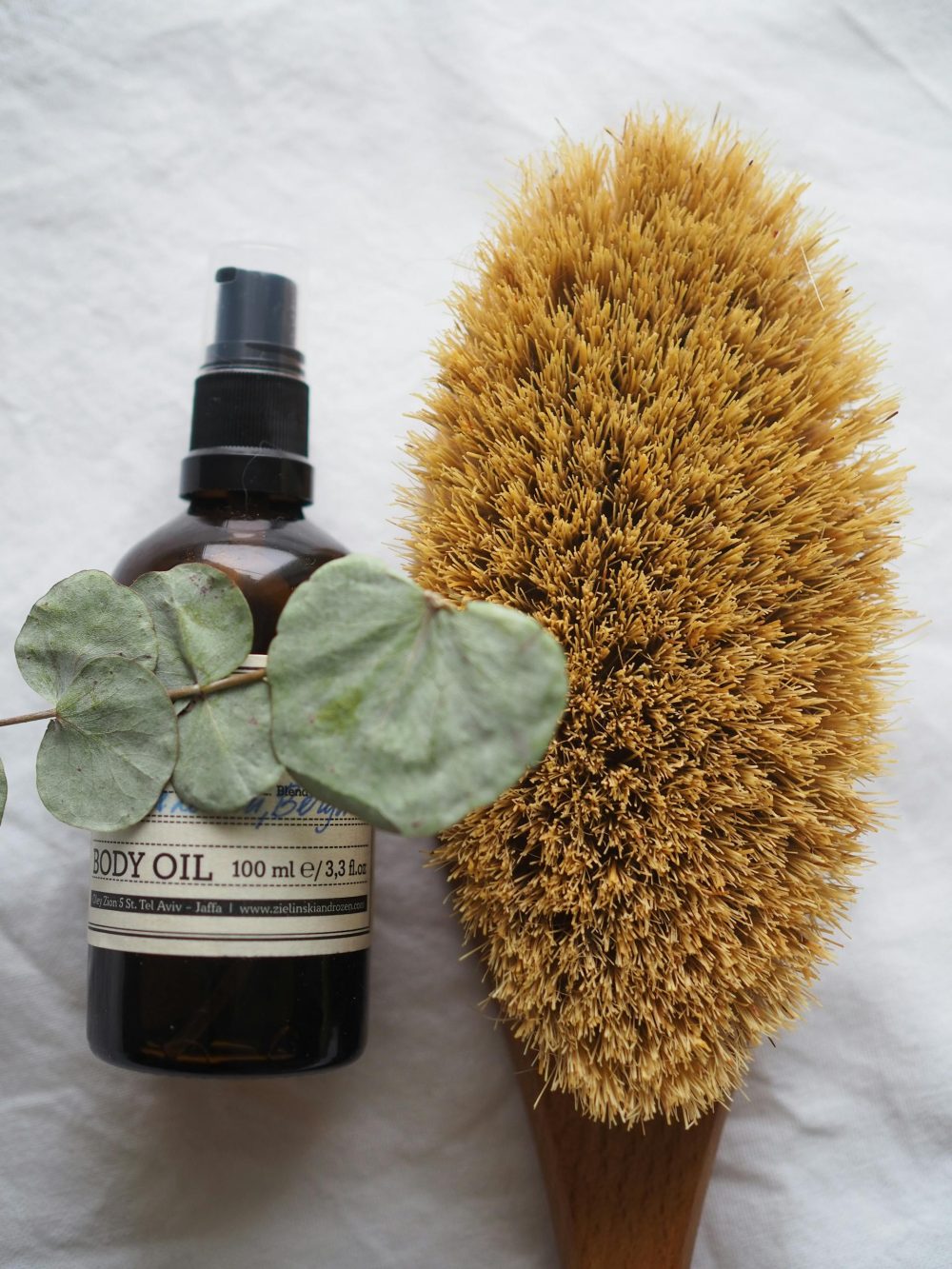
Body Oil for Dry Skin
Men often neglect body skincare.
This simple oil takes 30 seconds to apply after showering.
- Combine 4 ounces of sweet almond oil
- with 20 drops of cedarwood
- and 16 drops of eucalyptus
The eucalyptus has a clean, fresh scent that most men prefer.
Apply to damp skin right after your shower.
Your body absorbs oil more effectively when the skin is wet.
You’ll use less product and get better results.
Focus on areas that get especially dry: elbows, knees, and feet.
These spots have fewer oil glands and need extra moisture.
For athletic men, add 12 drops of peppermint essential oil.
The cooling sensation feels great on sore muscles after workouts.
Muscle Recovery Massage Oil
This formula combines aromatherapy with practical muscle relief.
- Mix 2 ounces of sweet almond oil with:
- 12 drops of eucalyptus
- 8 drops of peppermint
- and 8 drops of rosemary essential oil.
Massage into sore muscles after exercise.
The essential oils create a warming sensation that increases blood flow.
Eucalyptus and peppermint provide immediate cooling relief.
Rosemary reduces inflammation and helps clear lactic acid buildup.
This works especially well for lower back pain, shoulder tension, and leg cramps.
Have someone massage it into hard-to-reach spots for the best results.
Foot Deodorizing Powder
Smelly feet?
This powder keeps them fresh without toxic sprays.
- Mix 1/2 cup of arrowroot powder with 1/4 cup of baking soda.
- Add 15 drops of tea tree oil
- 10 drops of peppermint oil
- and 10 drops of eucalyptus oil
Stir thoroughly and store in a shaker container.
Apply to the feet before putting on socks. Dust the inside of shoes overnight.
The arrowroot absorbs moisture. Baking soda neutralizes odor.
Essential oils fight the bacteria that cause smell.
This powder also prevents athlete’s foot.
The tea tree oil kills fungus before it becomes a problem.
Scalp Treatment for Hair Health
A healthy scalp grows healthy hair.
This treatment addresses dandruff, itching, and thinning.
- Combine 2 ounces of jojoba oil with:
- 10 drops of rosemary oil
- 8 drops of cedarwood oil
- and 6 drops of peppermint oil
Massage into your scalp and leave for 30 minutes before shampooing.
Use twice weekly for best results.
Rosemary oil stimulates hair follicles.
Studies show it works as well as minoxidil for promoting hair growth.
Cedarwood balances oil production and reduces dandruff.
Peppermint increases circulation to the scalp.
This treatment also makes your hair softer and easier to style.
The oil conditions from root to tip.
Storage and Shelf Life
Store your essential oil products in a cool, dark place.
Heat and light break down the active compounds.
Carrier oils typically last 6-12 months when stored properly.
Essential oils last 2-3 years, on average.
Once you’ve mixed them, use your products within 6 months.
Label everything with the date you made it.
This prevents you from using expired products that have lost their effectiveness.
Keep bottles tightly sealed when not in use.
Exposure to air causes oxidation, which reduces potency and can turn oils rancid.
Your bathroom isn’t ideal storage.
The heat and humidity from showers accelerate degradation.
Keep your men’s skincare kit in a bedroom drawer or closet instead.
Troubleshooting Common Issues
Sometimes products don’t work as expected.
Here’s how to fix common problems.
If your face oil feels too greasy, you’re using too much.
Start with just 2-3 drops and add more only if needed.
If you experience irritation, reduce the concentration of the essential oil.
Drop to 0.5% for sensitive skin.
If the products smell too strongly, reduce the amount of essential oils.
You can always add more, but you can’t take them out.
If your beard oil seems to disappear immediately, apply it to a damp beard instead of a dry one.
The moisture helps distribute the oil.
Expanding Your Men’s Skincare Kit
Once you master the basics, add these essential oils to your collection:
Sandalwood for mature skin and relaxation.
It’s expensive but has a sophisticated scent that men appreciate.
My husband does, who swears by the products I’ve made for him over the years.
Vetiver for acne and oily skin.
The earthy aroma is intensely masculine.
Black pepper for muscle soreness and circulation.
It creates a warming effect perfect for pre-workout massage.
Bergamot for mood and skin brightening.
Remember it’s photosensitive, so use it at night.
Ylang ylang for balancing skin and reducing stress.
Use sparingly because the floral scent can be overpowering.
Final Thoughts
Building a men’s skincare kit with essential oils doesn’t require dozens of products.
Start with the basics and add more as you discover what works for your skin.
The recipes here use conservative dilution ratios.
You can adjust them as you learn how your skin responds.
But always err on the side of less-is-more with essential oils.
Quality matters. Buy from reputable suppliers who provide purity testing.
Your skin deserves better than cheap oils filled with synthetic fragrances.
Give each product at least two weeks before judging results.
Natural skincare works with your skin’s renewal cycle, which takes time.
Take notes on what works. Your skin’s needs change with seasons, age, and lifestyle.
What works in winter might be too heavy for summer.
And remember that consistency beats complexity.
A simple daily routine outperforms an elaborate kit you rarely use.
- https://scental.org/how-to-choose-high-quality-essential-oils-a-buyers-guide/
- https://scental.org/the-essential-oil-body-hack-that-transforms-skin-overnight/
- https://scental.org/essential-oils-bottles-your-complete-guide/