DANGEROUS CHEMICALS – 10 Toxic Ingredients To Avoid In Your Products
Understanding the toxins in everyday products is essential to pursuing a healthier lifestyle.
Many items in your home might contain harmful chemicals that can disrupt your well-being.
Let’s explore the most common toxic ingredients and how to avoid them, ensuring a safe, toxin-free environment for you and your loved ones.
After being diagnosed with an autoimmune disease, I had to make some choices about what changes I could make.
My living environment was vital, and I had to simultaneously avoid toxicity in my products since dangerous chemicals are quite harmful.
Avoiding exposure to dangerous chemicals – 10 toxic ingredients to avoid in your products.
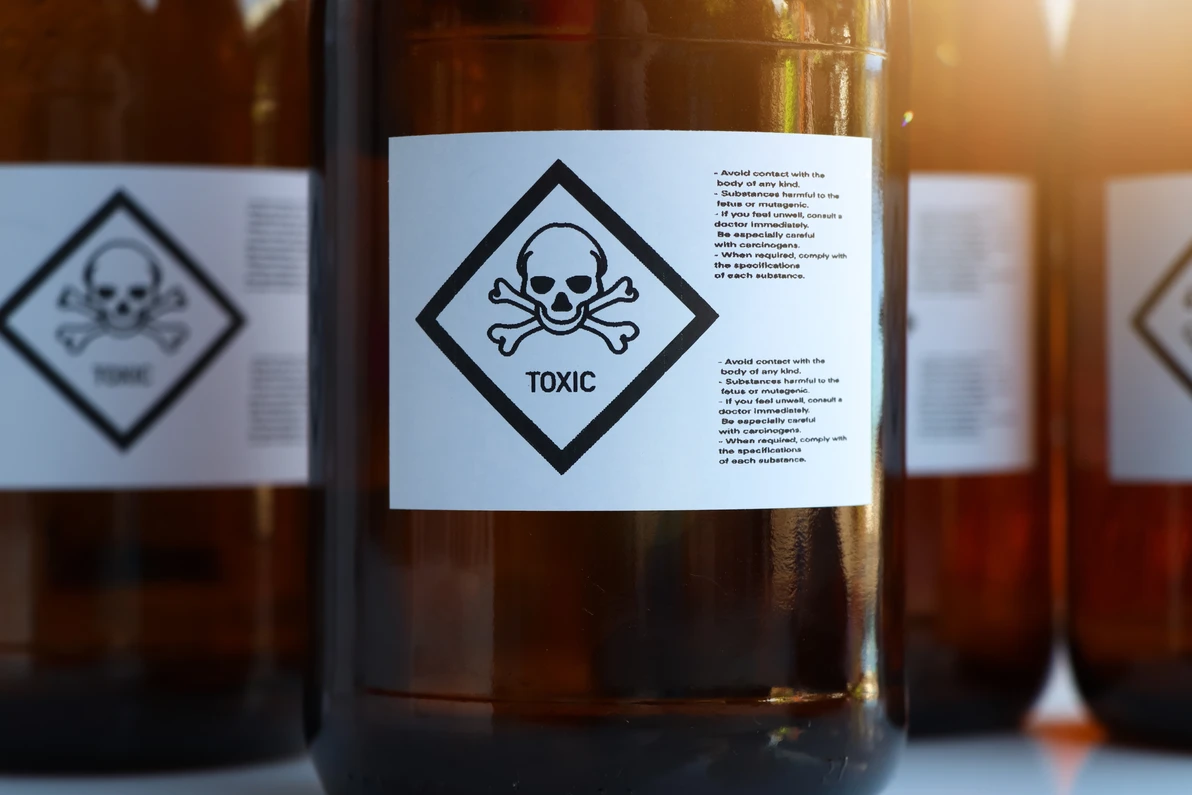
Why Avoid Toxins in Everyday Products?
Toxins in household and personal care items can affect physical health, mental clarity, and emotional balance.
Transitioning to toxin-free alternatives promotes a more balanced and sustainable lifestyle, safeguarding long-term health by avoiding dangerous chemicals.
This helps you in recognizing the 10 toxic ingredients to avoid in your products, which are crucial for a healthier lifestyle.
10 Toxic Ingredients to Watch Out For – Dangerous Chemicals
1. Sulfates
Sulfates, found in many cleaning and personal care products, strip surfaces and skin of their natural oils.
Common examples include Sodium Lauryl Sulfate (SLS) and Sodium Laureth Sulfate (SLES).
Look for products labeled “sulfate-free” for a gentler alternative that reduces exposure to toxic ingredients.
2. Parabens
Used as preservatives, parabens may disrupt hormonal balance.
They’re commonly found in cosmetics, lotions, and even some food packaging.
Select products with natural preservation methods to minimize exposure to potentially harmful chemicals, such as parabens.
3. Formaldehyde – Dangerous Chemicals to Avoid
This chemical is used in cleaning agents, adhesives, and certain beauty products.
It’s a known irritant and potential carcinogen.
Whenever possible, opt for formaldehyde-free options and watch out for harmful chemicals.
4. Phthalates
Phthalates enhance fragrances in a wide range of products.
Unfortunately, they are linked to developmental and reproductive health issues.
Look for items labeled ‘phthalate-free’ for peace of mind and to avoid toxic ingredients in products.
5. Synthetic Fragrances
The term “fragrance” often masks a cocktail of chemicals.
Synthetic scents can trigger allergies and respiratory issues.
Opt for fragrance-free or naturally scented products to steer clear of dangerous ingredients.
6. Mineral Oil
Often used as a moisturizing agent, mineral oil creates a barrier that prevents skin from breathing and absorbing nutrients.
Replace it with plant-based oils like jojoba or coconut oil for better results and to avoid dangerous chemicals.
7. Silicones
Silicones, found in many personal care items, create a temporary seal but may block natural absorption processes.
Over time, this can lead to buildup and dryness. Look for silicone-free alternatives to avoid harmful chemicals.
8. Coal Tar
Coal tar derivatives are found in some dyes and medicated shampoos.
These compounds have been linked to cancer and other health risks.
Switch to natural coloring agents or alternatives, as coal tar is one of the toxic ingredients.
9. Denatured Alcohols
Common in many products for their quick-drying properties, denatured alcohols can be harsh on skin and hair, leading to dryness and irritation.
Choose alcohol-free options to reduce exposure to toxic ingredients.
10. Para-Phenylenediamine (PPD)
Used in hair dyes, PPD can cause severe allergic reactions and skin sensitivities.
Consider natural or plant-based coloring solutions instead to avoid exposure to dangerous chemicals like PPD.
How to Transition to Toxin-Free Living
Step 1: Educate Yourself
Understanding ingredient labels is the first step.
Research common toxic ingredients and their effects to avoid incorporating dangerous chemicals in your products.
Step 2: Choose Certified Products
Look for certifications like organic, cruelty-free, and non-toxic to ensure safe, toxin-free options and avoid dangerous ingredients.
Step 3: Start Small
Begin by replacing frequently used items, such as soaps, detergents, and shampoos, with cleaner alternatives, avoiding toxic ingredients present in dangerous chemicals.
Benefits of a Toxin-Free Environment
- Improved air quality from eliminating dangerous chemicals. Avoid toxic ingredients to enjoy these benefits.
- Healthier skin and hair
- Safe home environment
- Reduced risk of allergic reactions
- Enhanced emotional and physical well-being
Making small, informed changes can create a wholesome, toxin-free environment that promotes balance and harmony in every aspect of your life.
Take the first step to avoid dangerous chemicals today, and embrace the journey to a healthier future.
- https://scental.org/essential-oils-that-impact-your-microbiome/
- https://scental.org/how-essential-oils-work-on-your-brain-and-their-molecular-magic/
- https://scental.org/the-sience-to-essential-oils/