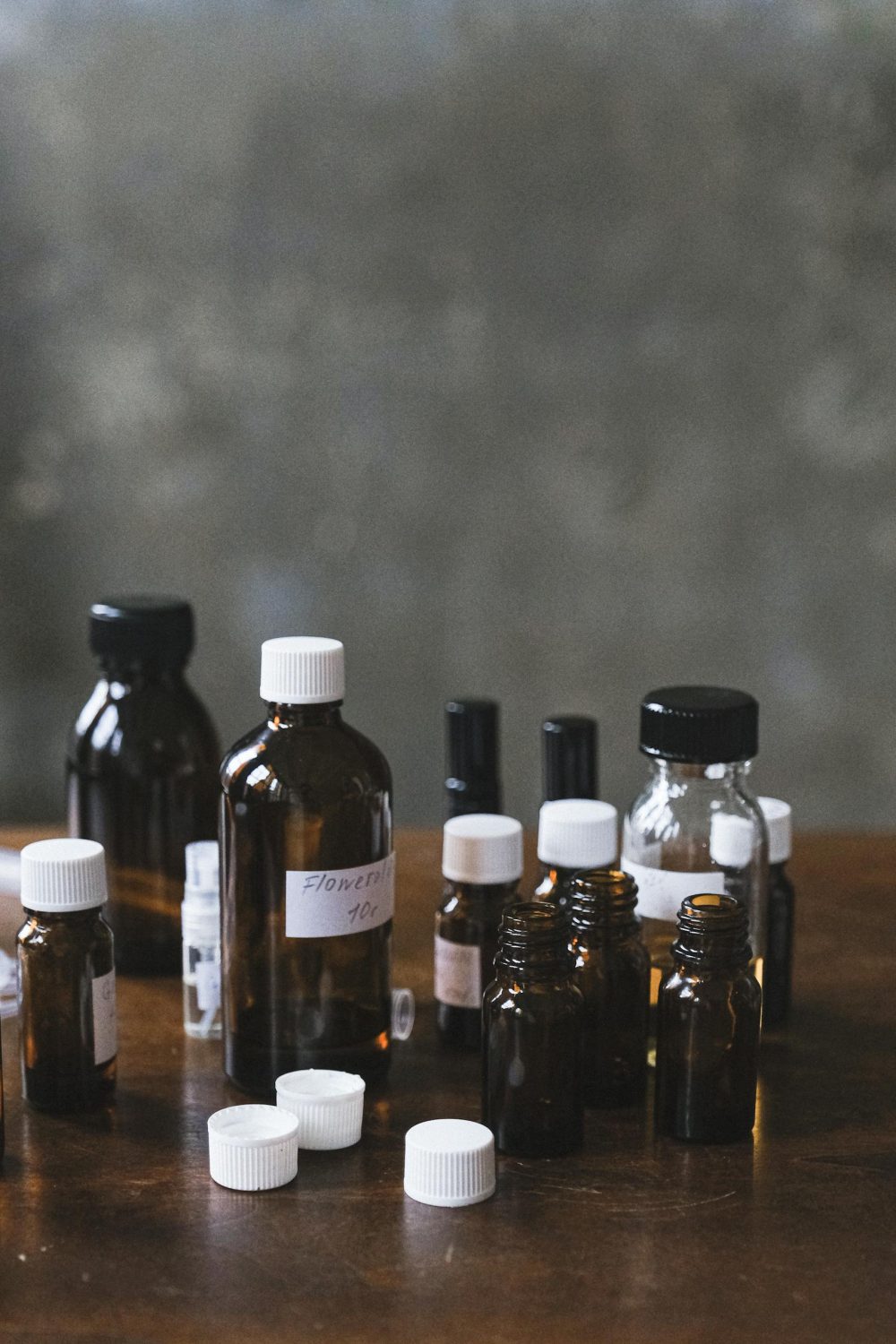
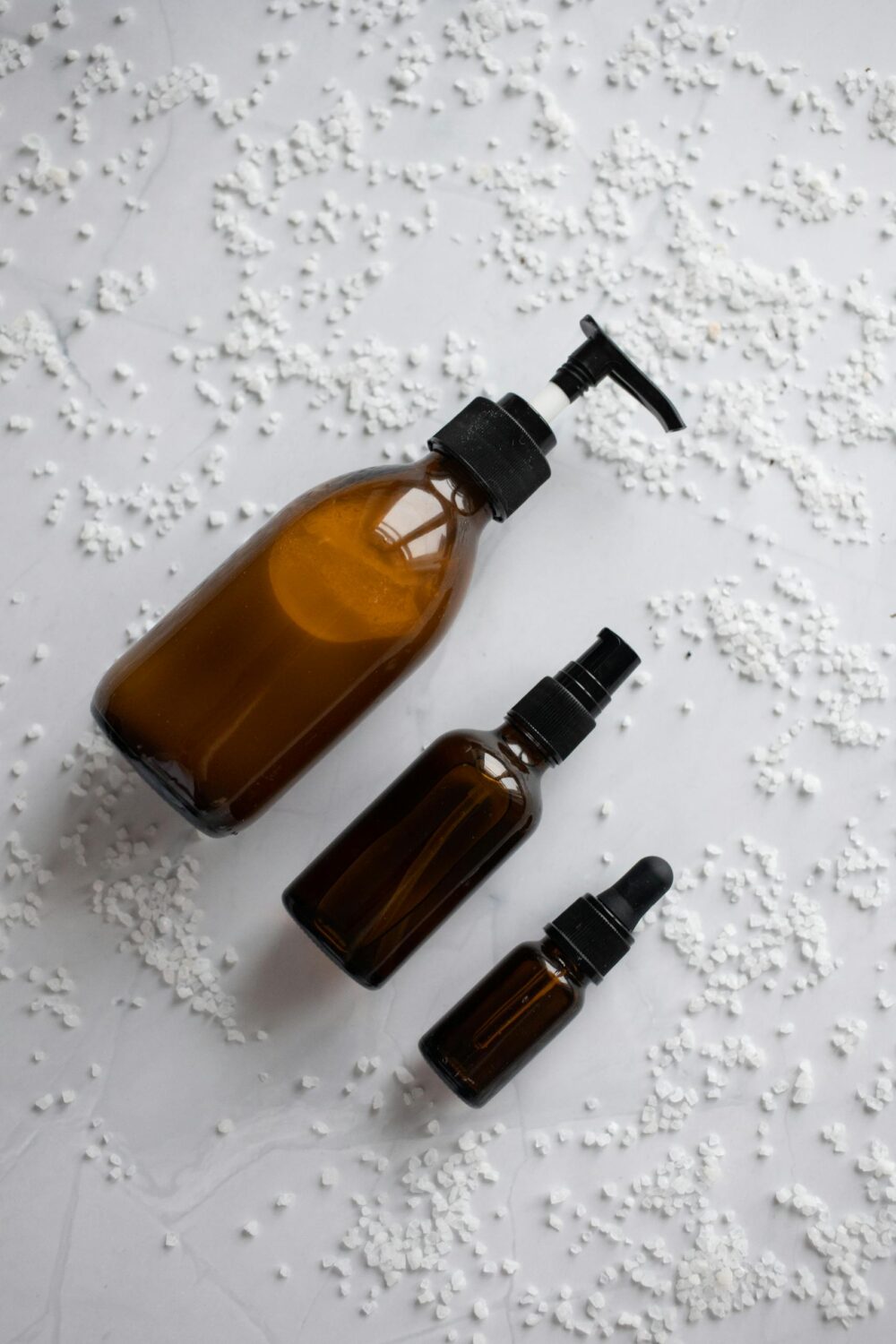
Chronobiology of EOs: Timing Your Essential Oils for Maximum Effectiveness
Learn how the science of chronobiology can transform your essential oil practice.
Discover the optimal times for different oils based on your body’s natural rhythms.
The body has its rhythm, and so do you.
When adapting the two consciously with the right EOs, you can make some huge changes to your health and emotional life, all done in a non-invasive and low-cost manner, which is one of my favorite things!
Note: The article contains affiliate links that may earn a commission; otherwise, the price is unaffected. All references are carefully selected to provide the best and most wholesome results.
What Is Chronobiology and Why Does It Matter for Essential Oils?
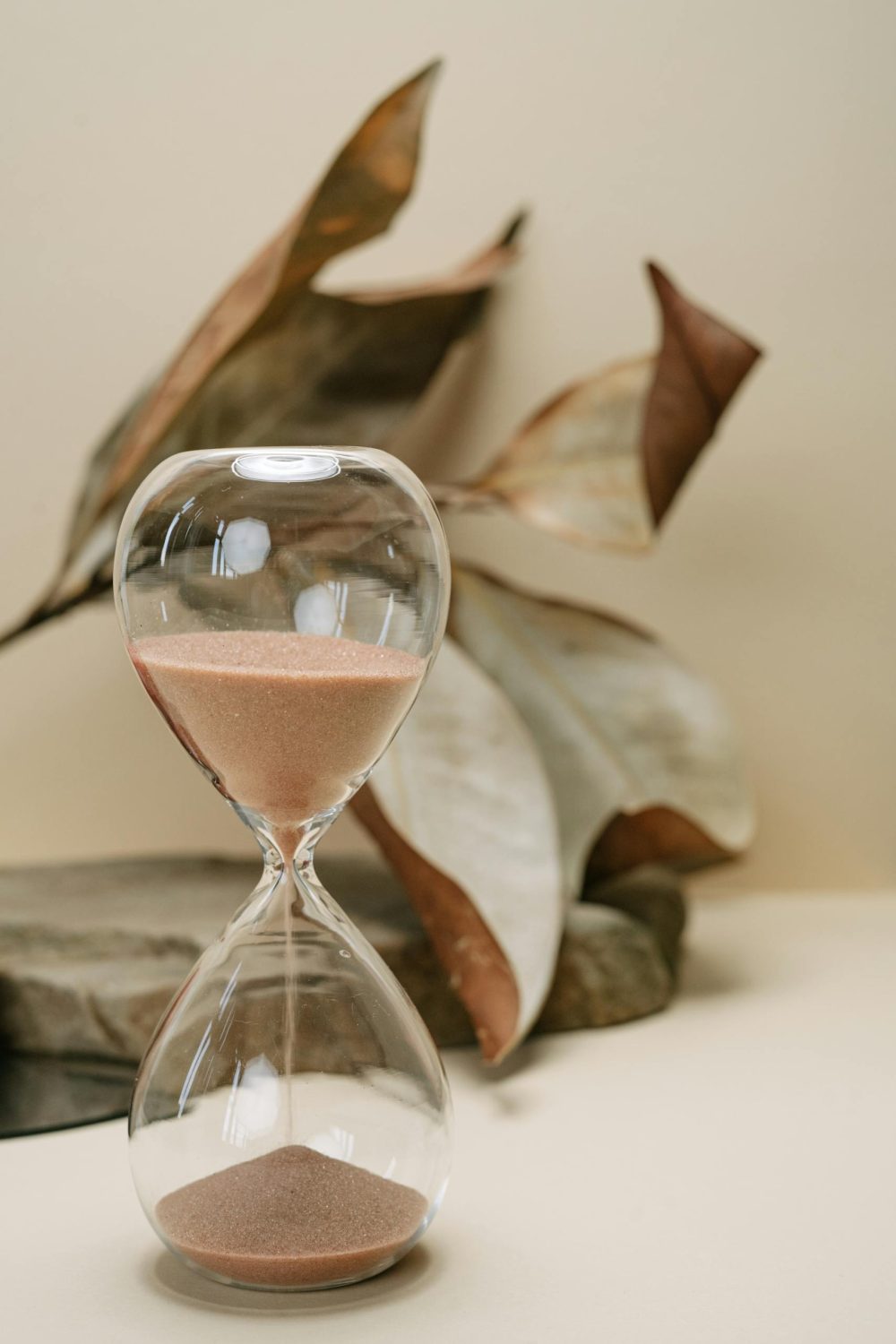
Your body operates on internal clocks that regulate sleep, hormone production, and energy levels throughout the day.
This natural timing system, chronobiology, can help you get more from your essential oils.
When you sync aromatherapy with your body’s rhythms, you work with your biology instead of against it.
Morning Essential Oils (6 AM – 9 AM)
Your cortisol levels naturally peak in the early morning hours to help you wake up and feel alert.
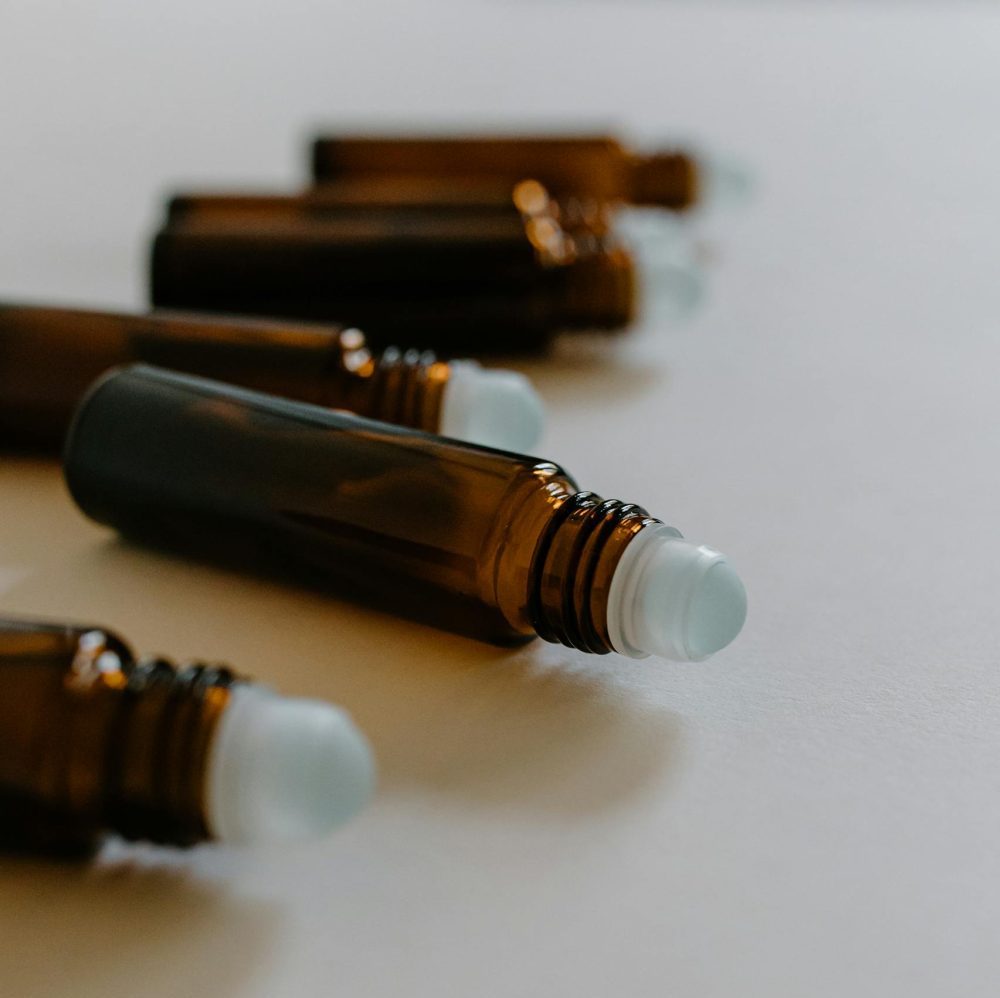
When operating with your schedule, I highly recommend getting some rollers and stickers, then labeling the rollers by blend and time, such as Morning Blend, Mid-Morning Blend, etc.
It makes the process very easy, and you can keep them in your bag and use them on the go.
Best morning oils:
- Citrus oils (orange, lemon, grapefruit, lime)
- Peppermint
- Rosemary
- Eucalyptus
These stimulating scents complement your body’s natural awakening process and boost mental clarity when your mind is most receptive.
Research from the Journal of Alternative and Complementary Medicine shows that citrus scents can reduce stress hormones while improving mood and alertness, exactly what you need to start your day.
Mid-Morning Focus (9 AM – 12 PM)
Your concentration typically peaks during mid-morning hours.
Best mid-morning oils:
These oils support cognitive function when your brain is naturally primed for complex tasks.
A study published in Therapeutic Advances in Psychopharmacology found that the aroma of rosemary improved speed and accuracy in cognitive tests, with participants exhibiting better performance during morning sessions.
Early Afternoon Boost (12 PM – 3 PM)
Most people experience an energy dip after lunch due to natural fluctuations in their circadian rhythms.
Best early afternoon oils:
These warming, stimulating oils can help counteract the post-lunch energy crash.
Late Afternoon Transition (3 PM – 6 PM)
As your body transitions toward evening, you need oils that balance and center.
Best late-afternoon oils:
These oils help you focus while gently preparing your system for evening relaxation.
Evening Unwinding (6 PM – 9 PM)
Your body naturally begins producing melatonin as daylight fades.
Best evening oils:
These calming scents support your body’s natural wind-down process. They signal to your brain that it’s time to relax.
A clinical trial published in Nursing in Critical Care found that lavender essential oil significantly improved sleep quality when used in the evening compared to other times of the day.
Nighttime Sleep Support (9 PM – 12 AM)
Melatonin production increases as you prepare for sleep.
Using a diffuser for nighttime treatment is optimal—having an oil bath beforehand enhances the experience.
Best nighttime oils:
These deeply grounding oils complement your body’s natural sleep preparation.
How to Create Your Chronobiological Oil Routine
- Track your natural energy patterns for one week.
- Match oils to your rhythm.
- Use a diffuser with a timer to automate your scent schedule.
- Start with just one or two targeted periods.
- Observe and adjust your approach based on the results.
The Science Behind Timing-Based Aromatherapy
Your olfactory system connects directly to your brain’s limbic system, which controls emotions and memories.
This connection works differently depending on your body’s current biological state.
Research from the Journal of Physiological Anthropology indicates that the effectiveness of essential oils varies depending on the time of day and the body’s cortisol/melatonin balance.
Practical Applications for Common Concerns
For better sleep:
- Use lavender 1-2 hours before bedtime, not immediately before going to bed.
- Morning jasmine exposure can regulate your sleep-wake cycle.
For stress management:
- Use citrus oils during natural cortisol peaks (morning).
- Use woodsy scents during natural cortisol dips (afternoon).
For mental performance:
- Use rosemary and peppermint during your peak cognitive hours (typically 9-11 AM)
- Save relaxing oils for after your workday.
What Makes This Approach Different?
Most aromatherapy guides focus only on which oils to use for specific purposes.
This chronobiological approach adds the critical dimension of when to use them.
By working with your body’s natural rhythms, you can achieve better results with the same oils you already own.
Getting Started Today
- Begin with your morning routine.
- Select one energizing oil to use when you wake up.
- Notice how your response changes compared to using the same oil later in the day.
- Gradually expand to other periods as you observe results.
Questions to Consider:
- What time of day do you currently use essential oils?
- Have you noticed that the same oil affects you differently at different times?
- How might your sleep quality improve if you timed your relaxing oils to match your body’s natural melatonin production?
- What morning oil will you try to work with to align with your natural cortisol peak tomorrow?
Understanding chronobiology enables the transformation of essential oil use from simple aromatherapy to precision wellness.
By matching the right scent to the right time, you unlock new levels of effectiveness from oils you already know and love.
You should start paying attention to when you use your oils, not just which ones you choose.
Our body clock is waiting to guide you.
- https://scental.org/how-essential-oils-work-on-your-brain-and-their-molecular-magic/
- https://scental.org/essential-oils-for-the-perfume-sensitive-soul/
- https://scental.org/the-sience-to-essential-oils/
- Circadian rhythm effects on olfactory perception: https://www.sciencedirect.com/science/article/abs/pii/S0149763416307266
- Time-dependent effects of lavender oil on sleep quality:
- https://pubmed.ncbi.nlm.nih.gov/26294361/
- Chronopharmacology study on essential oil absorption: https://www.tandfonline.com/doi/abs/10.1080/07420528.2018.1454938