Comprehensive A-Z Guide to Emotional Healing with Essential Oils
These ancient remedies connect us to traditions thousands of years old.
Used for mental health, beauty, and medicinal purposes.
This article is a comprehensive A-Z guide to emotional health and healing, drawing on wisdom from the past and applying it to our present times.
For over 5,000 years, frankincense and myrrh have been cherished for their remarkable aroma and wellness benefits.
Myrrh is quoted in Scripture 156 times, with uses including ointment, incense, embalming, and skin beauty treatment by Queen Esther.
Gd planted the Garden of Eden with trees at its center, establishing humanity’s first connection to plant-based healing.
Note: The article contains affiliate links that may earn a commission; otherwise, the price is unaffected. All references are carefully selected to provide the best and most wholesome results.
How Essential Oils Are Made
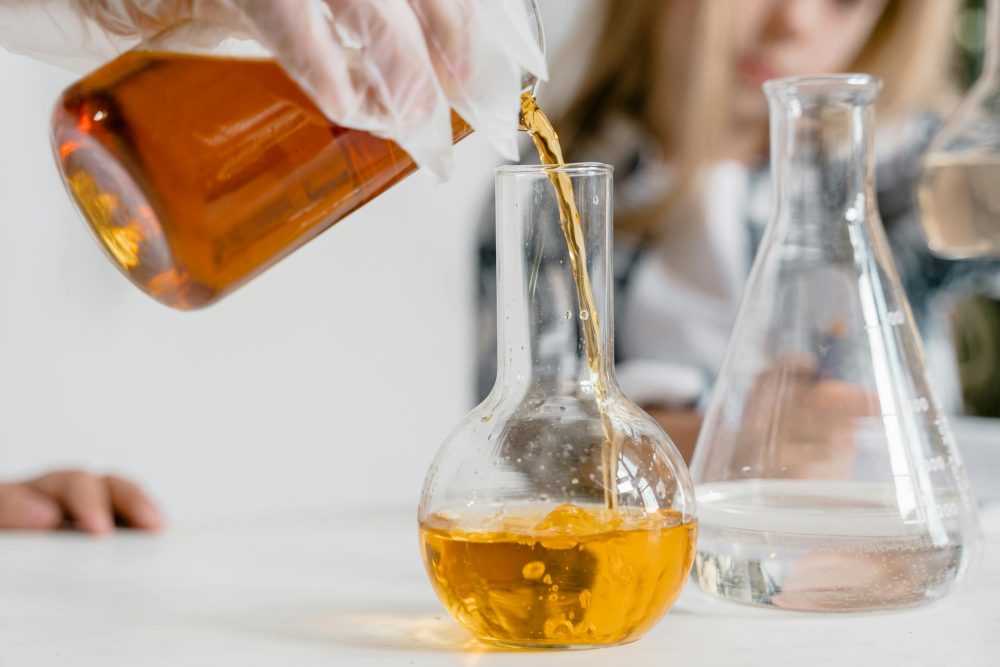
Steam Distillation is the oldest method.
Plant material goes into a still.
Steam passes through, carrying the oil molecules with it.
The steam cools and separates into water and oil. Lavender, rosemary, and most herbs are made this way.
Cold Pressing works for citrus. The peel gets mechanically pressed.
The oil squirts out. Simple. This is how your lemon, orange, and grapefruit oils are made.
Solvent Extraction creates absolutes.
Rose, jasmine, and other delicate flowers can’t handle heat.
Solvents pull out the aromatic compounds.
The solvent evaporates, leaving pure absolute behind.
CO2 Extraction is modern.
Pressurized carbon dioxide acts as a solvent.
It leaves no chemical residue.
And the oils smell more like the living plant.
Understanding Your Body’s Energy Centers
Your body has energy pathways.
Ancient traditions referred to them as meridians or chakras.
Modern science talks about the nervous system and hormone receptors. Both are right.
Essential oil molecules reach the brain through two pathways, the olfactory system and the respiratory system.
They trigger responses such as increased neurogenesis, hormonal regulation, activation of various brain regions, and alterations in blood biochemistry.
Pulse Points: Where to Apply Oils
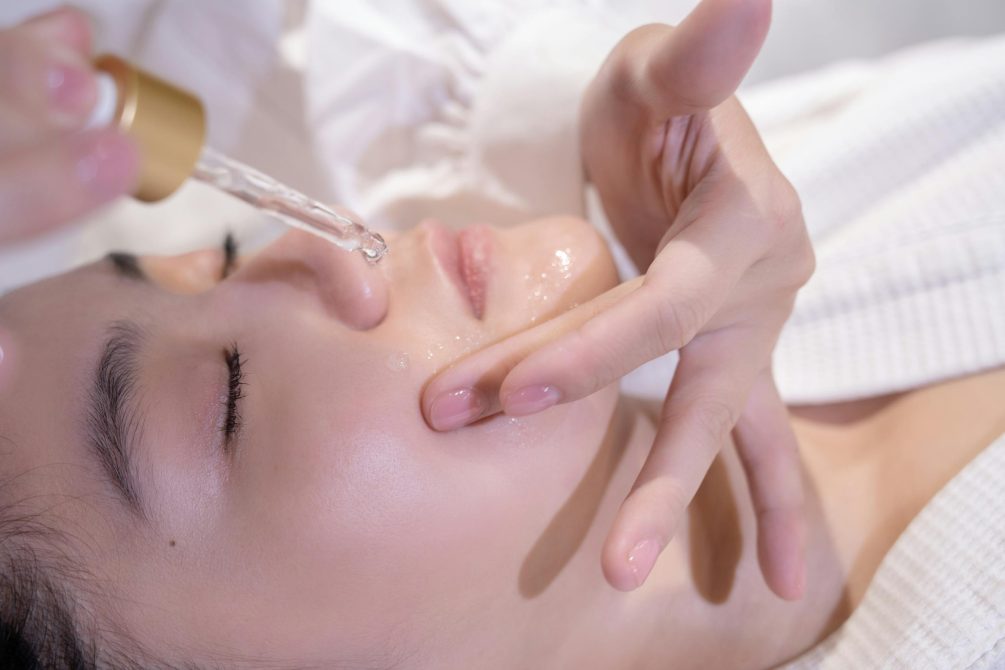
Pulse points sit close to the surface.
Blood vessels run near the skin.
Body heat helps diffuse the oil.
The warmth releases the aroma continuously.
Wrists – The most common spot.
Easy to reach.
You can breathe in the scent throughout the day.
Inner Elbows – Another pulse point people forget.
Good for oils you want to smell periodically.
Behind Ears – The mastoid area.
Close to your brain. Oils enter the limbic system quickly here.
Temples – For headaches and mental clarity.
But be careful. Skin is thin here.
Heart Center (chest) – Over the sternum.
For emotional release and heart-opening oils, such as rose.
Solar Plexus (upper abdomen) – Your personal power center.
Use grounding oils here.
Third Eye (between eyebrows) – For intuition and mental clarity.
Use sparingly.
Base of Skull – Where the skull meets the neck.
Excellent for calming the nervous system.
Dilution Matters
Never apply oils neat (undiluted) to pulse points.
Your skin can burn.
The oils can irritate; they are highly concentrated and must be diluted.
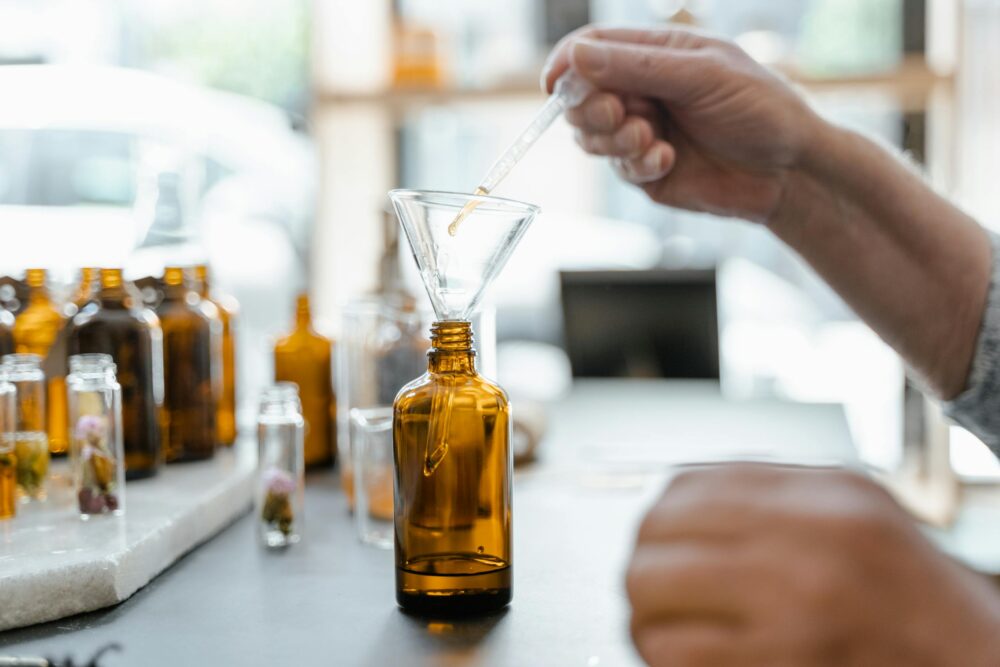
Standard dilution: 2-3 drops of essential oil per teaspoon of carrier oil.
Facial dilution: 1 drop per teaspoon.
Children’s dilution: 1 drop per tablespoon.
Good carrier oils include Jojoba, sweet almond, grapeseed, and fractionated coconut.
Oils for Depression and Low Mood
Bergamot lifts darkness. It’s the oil in Earl Grey tea.
Studies show it reduces cortisol and increases positive feelings. Apply to the wrists in the morning.
Clary Sage was used in medieval Europe for “women’s melancholy.”
It balances hormones and eases emotional heaviness.
Excellent during menstruation or menopause.
Jasmine rivals some antidepressants in studies. It increases beta waves in the brain (alertness) while calming anxiety.
Ancient Indian and Chinese medicine referred to it as the “moonlight of the grove.”
Neroli comes from orange blossoms. Egyptian courtesans wore it. It reduces adrenaline and cortisol.
Good for shock and grief.
Rose was Aphrodite’s oil. It opens the heart after emotional wounds.
Persian physicians prescribed it for heartbreak. One drop in a carrier oil over your heart center.
Ylang Ylang means “flower of flowers” in Tagalog. It slows the rapid heartbeat and racing thoughts.
Victorian women used it in hair oil to attract suitors, as it was believed to build confidence.
Oils for Anxiety and Panic
Frankincense slows breathing. It’s been burned in temples for 5,000 years.
It deepens meditation and helps you escape the mental chatter.
Apply to the base of the skull and breathe.
Lavender is proven to work. Multiple studies show it reduces anxiety as effectively as some medications.
Roman soldiers carried it to battlefields to treat wounds and calm nerves.
Roman Chamomile. Good for giving to children before bed (over 3 years old).
It soothes the solar plexus (your emotional center).
Vetiver grounds you when you feel scattered. It’s distilled from roots.
Indian and Sri Lankan traditions used it for meditation and contemplation.
Apply to the feet or the base of the spine.
Marjoram was known as the “joy of the mountains” in ancient Greece. It warms and comforts and is especially good for panic attacks.
Apply to the solar plexus with carrier oil.
Oils for Grief and Loss
Cypress helps you let go. The ancient Greeks planted cypress trees in their graveyards.
The oil supports transitions.
Apply over the heart with rose or frankincense.
Myrrh is the oil for grief; the Egyptian women would wear it during mourning rituals.
Additionally, the oil is mentioned in the Bible.
It helps process deep sorrow.
Spikenard also appears in the Bible.
It’s grounding during a spiritual crisis or loss.
Sandalwood (East Indian) connects you to something larger.
It brings acceptance and peace. Apply to the third eye and heart.
Oils for Anger and Frustration
Roman Chamomile cools hot emotions. Medieval herbalists referred to it as the “plant physician” because it facilitated the growth of other plants.
It helps you help yourself.
Ylang Ylang releases tension in the jaw and shoulders, where anger often resides.
Apply with carrier oil to tight muscles.
Patchouli was used in the 1960s counterculture for a reason. It grounds excess energy, and it moves stuck emotions.
Apply to the lower abdomen or feet.
Geranium balances extremes. Victorian women used it to stabilize mood swings.
Apply to the wrists or over the adrenal glands (in the mid-back area).
Oils for Women’s Emotional Cycles
Clary Sage is the queen of women’s oils. It mimics estrogen slightly.
It eases PMS rage, menopausal mood swings, and postpartum blues.
Medieval nuns would grow it in monastery gardens.
Never to use during pregnancy, but after childbirth, it’s excellent.
Rose regulates all things feminine. It’s in the womb in Chinese medicine.
It helps with irregular cycles, emotional PMS, and feeling disconnected from femininity.
Cleopatra famously covered her bed in rose petals.
Geranium balances hormones gently. It’s good for teenagers starting their cycle or women in perimenopause.
Victorian herbalists referred to it as the “poor woman’s rose.”
Jasmine builds confidence in sexuality and creativity. Indian tradition says it awakens the divine feminine.
Use during the follicular phase (days 1-14 of the cycle).
Fennel was controversial. Medieval midwives used it to bring on delayed menstruation.
It’s estrogenic.
Meaning it’s good for menopause, but avoid it if you have hormone-sensitive conditions.
Angelica Root was called “oil of angels.” European herbalists used it for women’s “hysteria” (anxiety).
It grounds and protects during emotionally vulnerable times. Caution: phototoxic.
Recipes for Emotional Wellness
“Gone Blue” Diffuser Blend
- 4 drops Bergamot
- 3 drops Fir Needle
- 2 drops Sweet Orange
- 1 drop Clove
Diffuse when depression hits. The citrus lifts.
As the fire connects you to nature.
And clove will have the warming effect.
“Calm the Storm” Pulse Point Roller
In a 10ml roller bottle with carrier oil:
- 5 drops Lavender
- 4 drops Frankincense
- 3 drops Vetiver
- 2 drops Roman Chamomile
Apply to the wrists and behind the ears during a panic attack or feelings of overwhelm.
“Moon Cycle Soother” Massage Oil
In 2 tablespoons carrier oil:
- 4 drops Clary Sage
- 3 drops Geranium
- 2 drops Lavender
- 1 drop Marjoram
Massage into the lower abdomen and lower back during PMS or menstruation.
“Grief Support” Bath Ritual
Add to 1 tablespoon milk or Epsom salt (to disperse in water):
- 3 drops Cypress
- 2 drops Myrrh
- 2 drops Rose or Rose Absolute
- 1 drop Sandalwood
Pour into a warm bath. Soak for 20 minutes.
Allow yourself to release your emotions.
“Mother’s Little Helper” Room Spray
In a 22-oz spray bottle with distilled water:
- 10 drops Neroli
- 8 drops Mandarin
- 5 drops Roman Chamomile
- 2 drops Vanilla absolute
Shake before each use and then spray.
Before bestime or in the mornings
“Ancestral Wisdom” Anointing Oil
In 1 tablespoon carrier oil:
- 2 drops Frankincense
- 2 drops Myrrh
- 1 drop Spikenard
- 1 drop Rose
Use during meditation or when you need to connect deeper.
Apply to the third eye, heart, and wrists.
“First Day of Spring (no matter when)” Blend
- 5 drops Grapefruit
- 3 drops Peppermint
- 2 drops Rosemary
- 1 drop Basil
Diffuse when you need a boost of uplifting energy.
How to Use Essential Oils for Mental Health
Morning Ritual
- Choose an uplifting oil (bergamot, lemon, rosemary)
- Dilute in carrier oil
- Apply to wrists after a shower
- Take three deep breaths
- State one intention for the day
Evening Wind-Down
- Choose a calming oil (lavender, roman chamomile, sandalwood)
- Diffuse 30 minutes before bedtime
- Apply diluted oil to the base of the skull and the feet
- No screens
- Let the oil do its work
Emergency Calm-Down
- Keep a pre-made roller bottle in your purse
- Apply to wrists and behind ears
- Cup hands over nose and mouth
- Breathe slowly: 4 counts in, 7 counts hold, 8 counts out
- Repeat until calmness sets in
Cycle Tracking (For Women)
- Days 1-5 (Menstruation): Clary sage, marjoram, lavender for cramps and mood
- Days 6-14 (Follicular): Jasmine, rose, ylang ylang for creativity and confidence
- Days 15-28 (Luteal/PMS): Geranium, clary sage, bergamot for hormone balance
Full Moon Release Ritual
Full moons amplify emotions. Use this:
- Write what you want to release on paper
- Diffuse frankincense and myrrh
- Apply cypress and rose over your heart
- Burn or bury the paper
- Take a bath with grief support blend
Safety Notes You Actually Need
Phototoxic oils can cause burns to your skin when exposed to sunlight.
Don’t apply these to exposed skin before going outside:
- All citrus (except steam-distilled)
- Bergamot (especially)
- Angelica root
Not for pregnancy:
- Clary sage (can trigger contractions)
- Fennel
- Most herbs in high amounts
- When in doubt, stick to lavender, citrus, and chamomile
Not for epilepsy:
- Rosemary
- Eucalyptus
- Camphor
- Sage varieties
Not for high blood pressure:
- Rosemary
- Sage
- Thyme (in large amounts)
Skin sensitizers (always dilute heavily):
- Cinnamon
- Clove
- Oregano
- Thyme
- Black pepper
The Truth About Essential Oils and Mental Health
Oils are not a replacement for therapy or medication.
They’re a tool.
Why they work:
- Smell reaches your limbic system in seconds (the emotion center)
- Some compounds cross the blood-brain barrier
- Ritual and self-care matter for mental health
They don’t work because of magic.
They work because of chemistry and intention.
Where to Go From Here
Start with five oils:
- Lavender – your Swiss Army knife
- Frankincense – your meditation and calm
- Peppermint – your energy and clarity
- Bergamot – your joy
- Clary Sage – your little hormone helper (if you’re a woman)
Additionally, consider your specific needs.
Always store your oils in dark glass bottles away from heat and light. Citrus oils go bad the fastest.
However, they generally last 1-3 years, depending on the type of oil used.
Returning to a natural state is also about remembering who we are and incorporating these steps into our modern lifestyle.
The wisdom of nature holds its own timeless place and can serve us when we choose to use it for good.
- https://scental.org/essential-oils-a-z-guide/
- https://scental.org/feminie-essential-oils-for-emotional-grounding-and-inner-connection/
- https://scental.org/from-calm-to-confidence-the-emotional-magic-of-five-essential-oils/